expanding expanding

Expanding Horizons

July 30, 2026
Expanding footprints, impactful partnerships, and foundational changes in Bangladesh's education landscape.

The Stories for Inclusion project is officially expanding its footprint across Bangladesh. By increasing the number of implementation districts and forging a powerful new partnership with the JAAGO Foundation, the project continues to dismantle barriers and foster early-childhood empathy through inclusive children’s literature.

As part of this expansion, the project has now reached the Sathkira District through the Disabled Rehabilitation & Research Association (DRRA), partnered with the renowned JAAGO Foundation, and renewed its impactful collaboration with BRAC for its second phase.
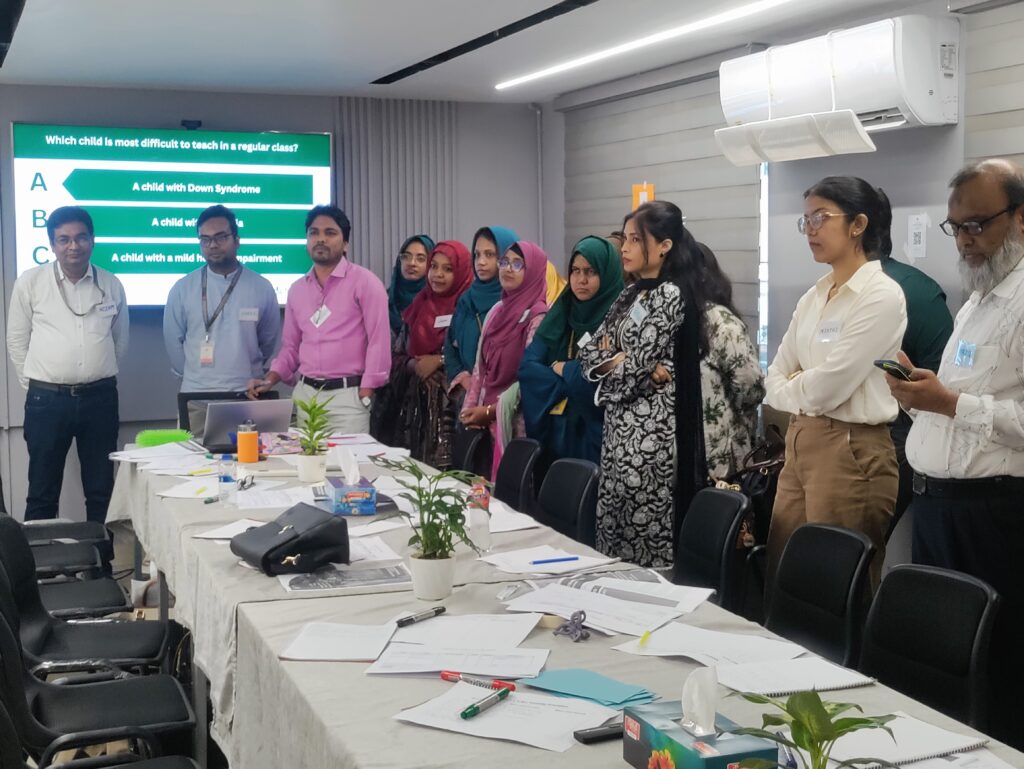
Disability Orientation Workshop


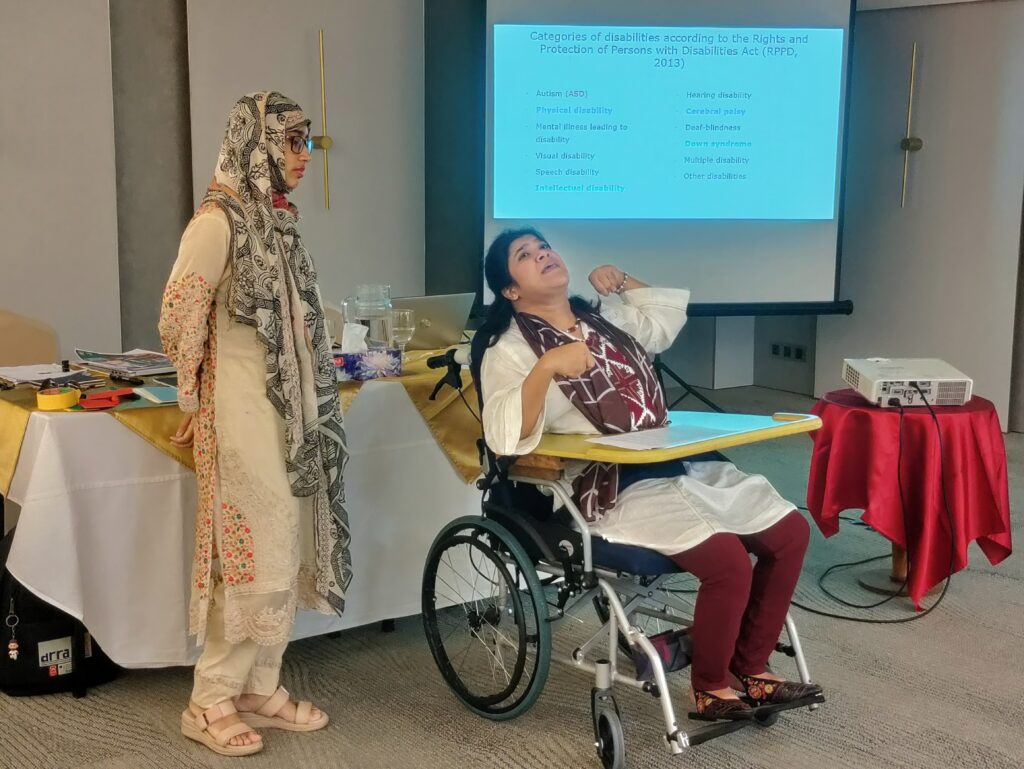
True institutional change begins from within. Before introducing inclusive stories into classrooms, the project hosted a comprehensive Disability Orientation Workshop for JAAGO’s core organizational staff. The session was honored by the presence of Afia Kabir Anila—a young law student with Cerebral Palsy who joined as Chief Guest and project ambassador.

The intensive workshop focused on key areas designed to shift internal culture and workflows:

  • Breaking mental barriers: Challenging unconscious biases and shifting perspectives from a traditional charity-based mindset to a robust rights-based model of disability.
  • Understanding legal frameworks: Reviewing national legislation, such as the Bangladesh Rights and Protection of Persons with Disabilities Act 2013, alongside the UN Convention on the Rights of Persons with Disabilities (CRPD).
  • Building disability knowledge: Prioritizing childhood disabilities, their causes, signs, and symptoms, while exploring practical responses to support functional difficulties such as hearing impairment, Down Syndrome, Autism Spectrum Disorder, and Cerebral Palsy.
  • Inclusive communication: Training staff on proper terminology and accessible event planning—such as accommodating wheelchair users—to ensure organizational practices mirror the mission of inclusion.
Empowering Educators
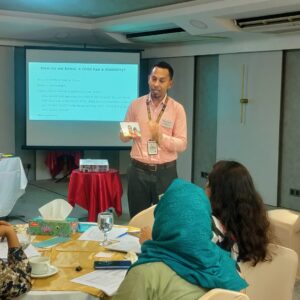
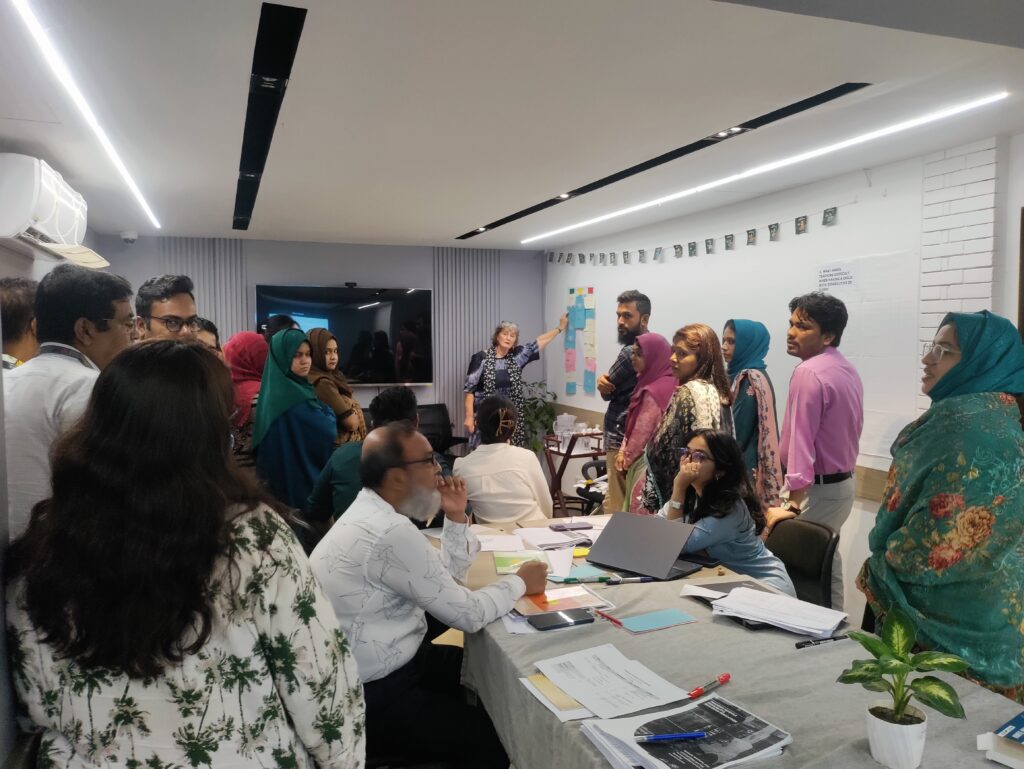
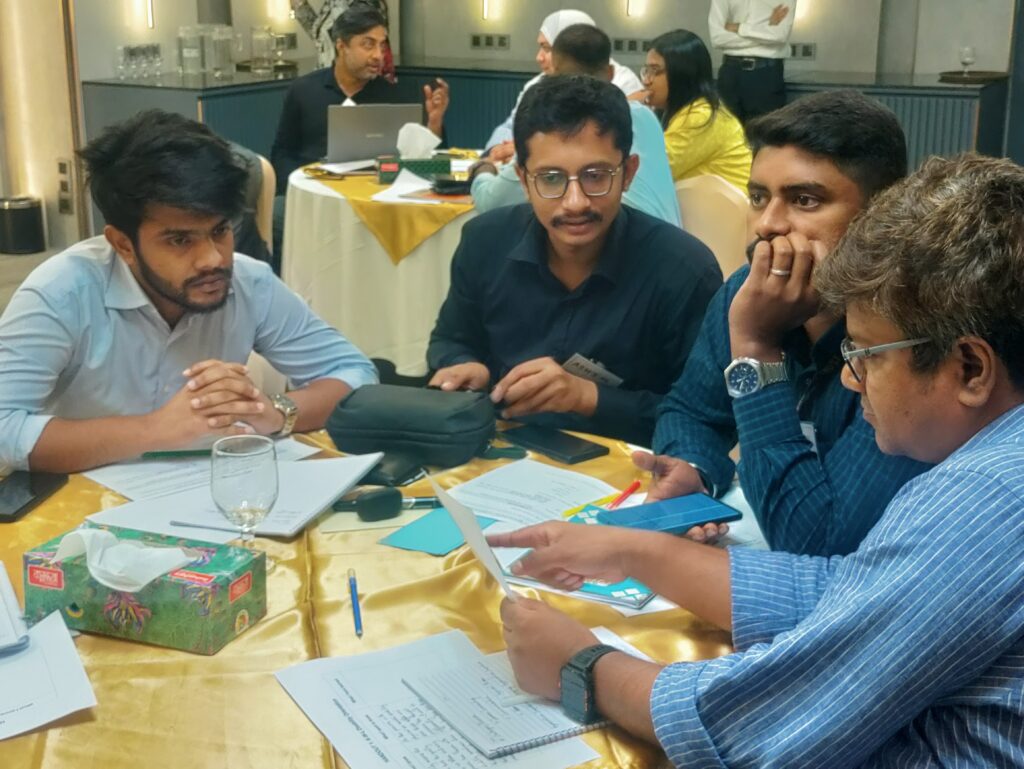
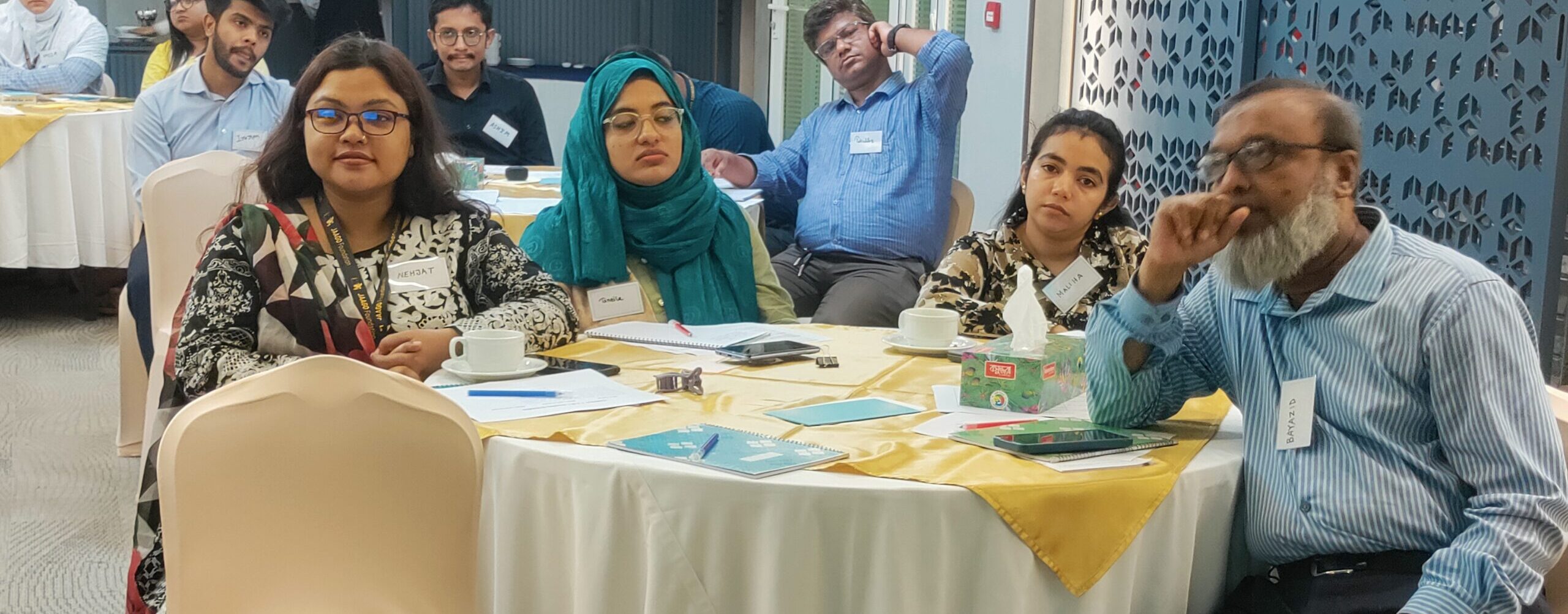
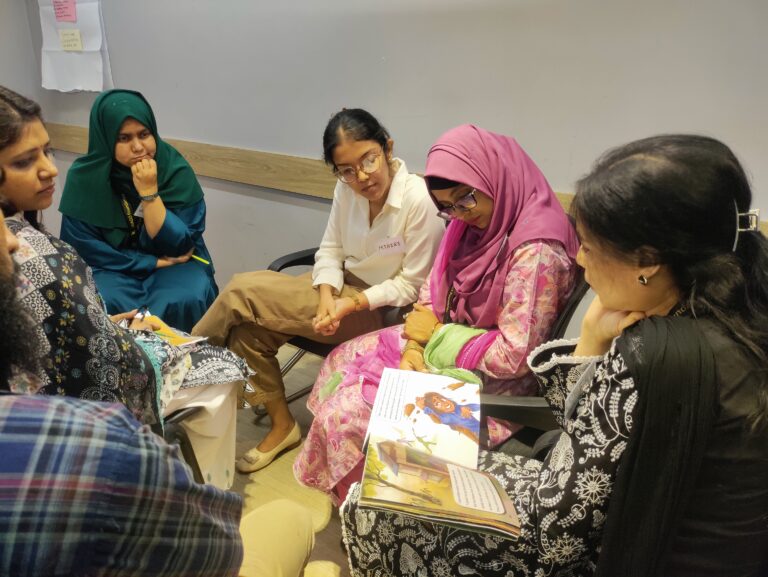
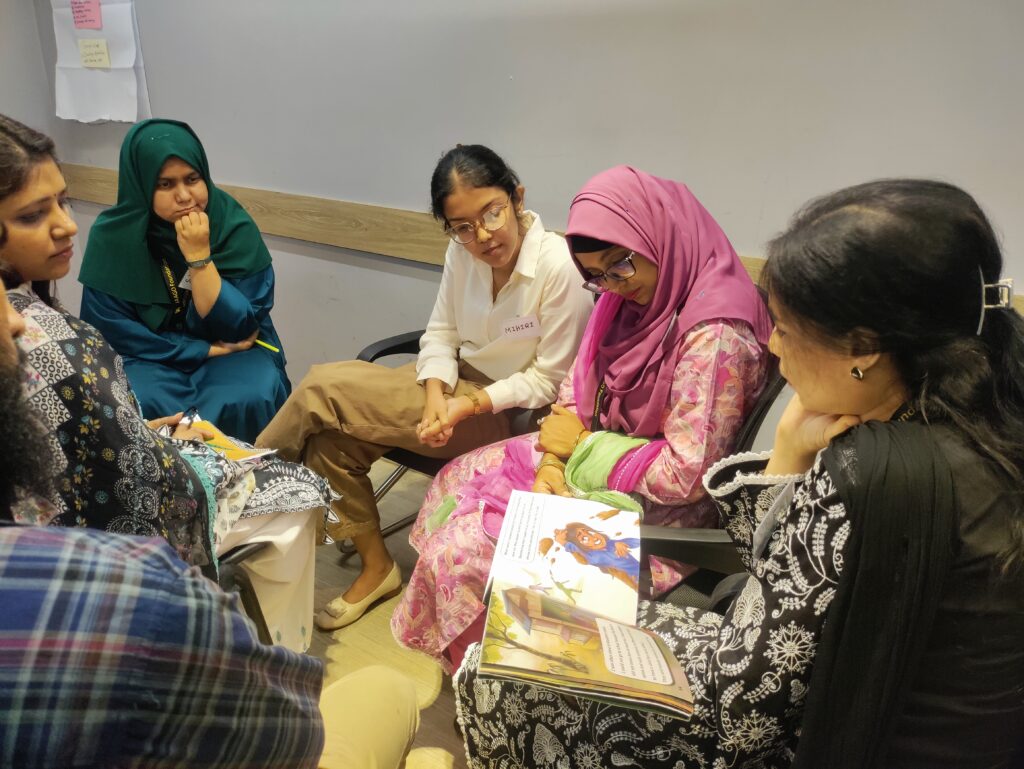
To ensure long-term effectiveness and lasting institutional change, a specialized Training of Trainers (ToT) workshop was conducted for selected DRRA and JAAGO coordinators and teachers, based on the Stories for Inclusion Teacher Training Manual. Notably, regional participation extended to the Dutch Lanka Friendship Foundation (DLFF) from Sri Lanka, who joined to learn from Bangladesh and plan to initiate the project in Sri Lanka as well. This ToT workshop successfully transformed educators into active advocates for disability inclusion.

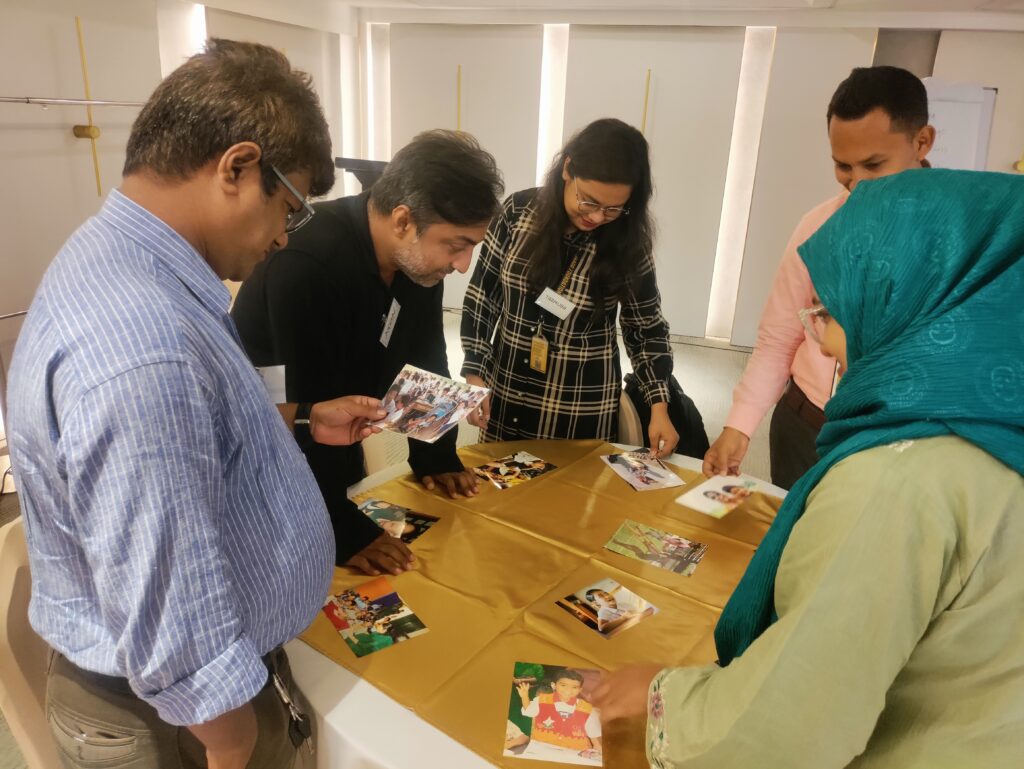
During the interactive training, coordinators and teachers mastered inclusive pedagogical approaches and learned to use storybooks as dynamic teaching aids through:

  • Common childhood disabilities: In-depth exploration of specific functional difficulties, causes, signs, and symptoms, linked with the Stories for Inclusion Teacher Reference Guide to develop practical classroom support strategies.
  • Active learning techniques: Demonstration of versatile methods adaptable for the classroom, such as K-W-L charts, Think-Pair-Share, Brainstorms, Traffic Lights, Gallery Walks, Pick and Play, and multiple-choice quizzes.
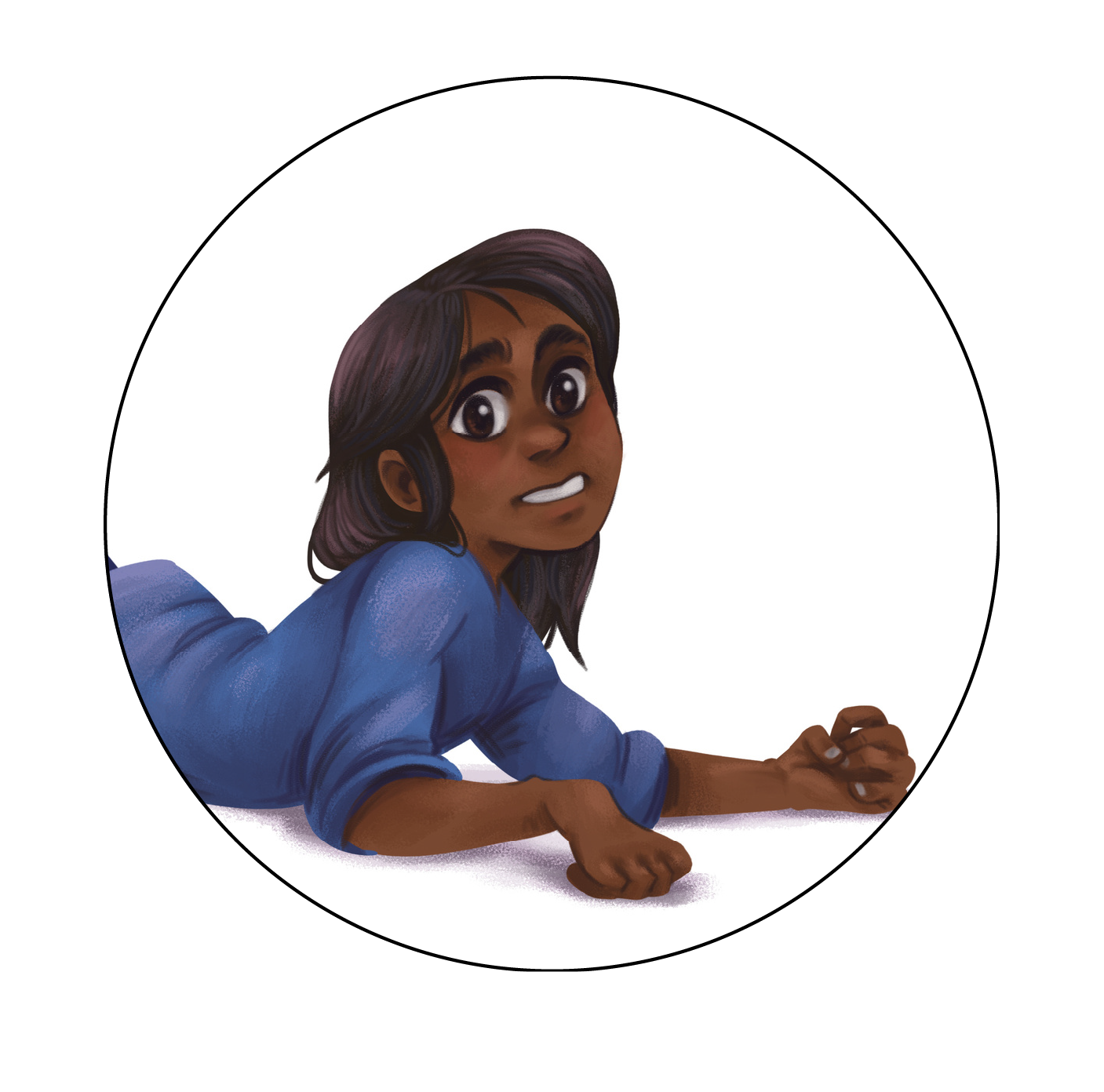
  • Interactive storytelling: Mastering techniques for reading books like “My name is Runa” and utilizing the storybook Activity Guide.
IMG_20260716_120406
In our classrooms, children with disabilities are often met with pity and isolation. Reading a book like ‘My name is Runa’ during the training made me realize how storybooks can bridge the gap. The story of Runa doesn’t ask for pity – it demands respect and celebrates ability. I can’t wait to see my students connect with her.

The Ripple Effect: Why This Model Works


By training coordinators alongside classroom teachers, the project establishes a sustainable internal support system. These newly empowered trainers will go on to mentor additional educators throughout DRRA’s and the JAAGO Foundation’s network of primary schools.

When teachers embrace inclusion, classrooms transform. And when classrooms transform, an entire generation grows up recognizing that a disability never limits a person’s value, skills, or fundamental right to a fulfilling life.