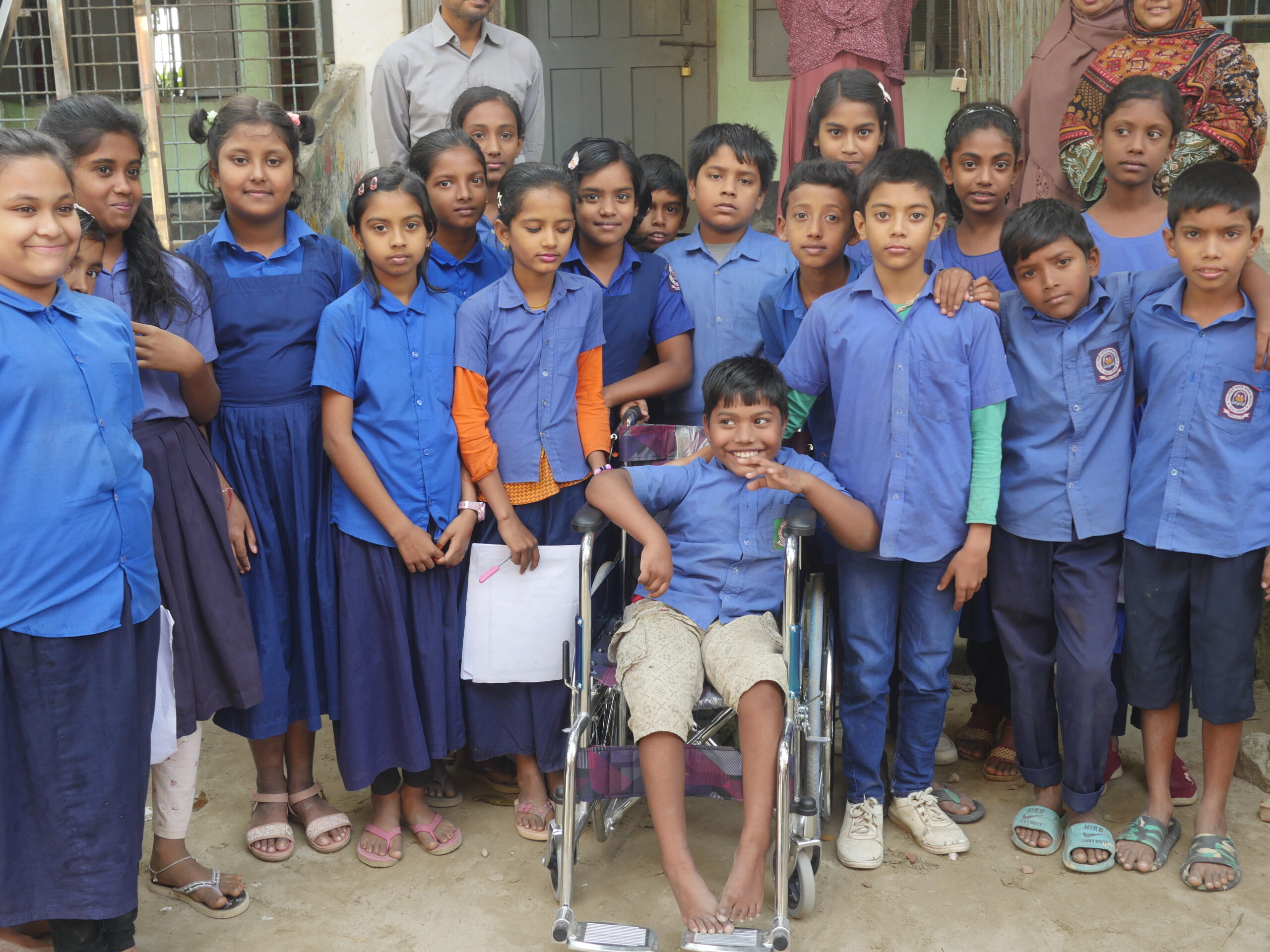
Bringing children with disabilities into mainstream schools turns the whole system upside down. Maybe that is what is needed because it forces us to look at education differently. In many countries the practiced system of education is a system of exclusion. But we are so used to this, that we accept it without question.
We put barriers everywhere, from admission and school fees, to standard learning assessments and exams, and, in many schools a foreign language of instruction.
We all have seen the excited and happy children, eager to carry their schoolbag, running off on their first day of school. Those children come home in the afternoon, their enthusiasm gone, their curiosity squashed. How did this happen?
The Myth of the “Typical” Child
As parents and as educators, we compare and measure children against some mythic “typical” child. A child that really does not exist. And the child in question, an individual with unique characteristics, strengths and weaknesses, slowly disappears. So, thank you for disability! Thank you for weakness we can see, for individual support needs which are obvious, for a chance to make education work for each and every child.
I have four children – the second one has Autism Spectrum Disorder (ASD). I only wish I had had him first. Because he is the one who taught me to stop comparing him to a milestone list, a development sheet, or to the other children his age, and start looking at him. And that’s what inclusion offers us: a chance to see our children – all of them – as they are: unique, diverse, precious, whole.
Collaboration Over Competition
A child with a disability entering a regular school tends to become automatically a problem, starting with physical and educational accessibility and the admission process. How do you test such a child? Do you have to? Now bring that child into the classroom. Here it can get a little trickier. The difficulties, however, are still not with the child but with the system. The child with a disability holds up a mirror for us, showing us what we are really doing. And what are we doing? Are our classrooms communities of learners or communities of competitors?
It seems children are more encouraged to work for grades than for knowledge and their peers tend to be rivals rather than collaborators. Cooperation and sharing are often not taught or valued, and in fact, often discouraged (Do not share your work, do not copy, do not talk in class, etc.)
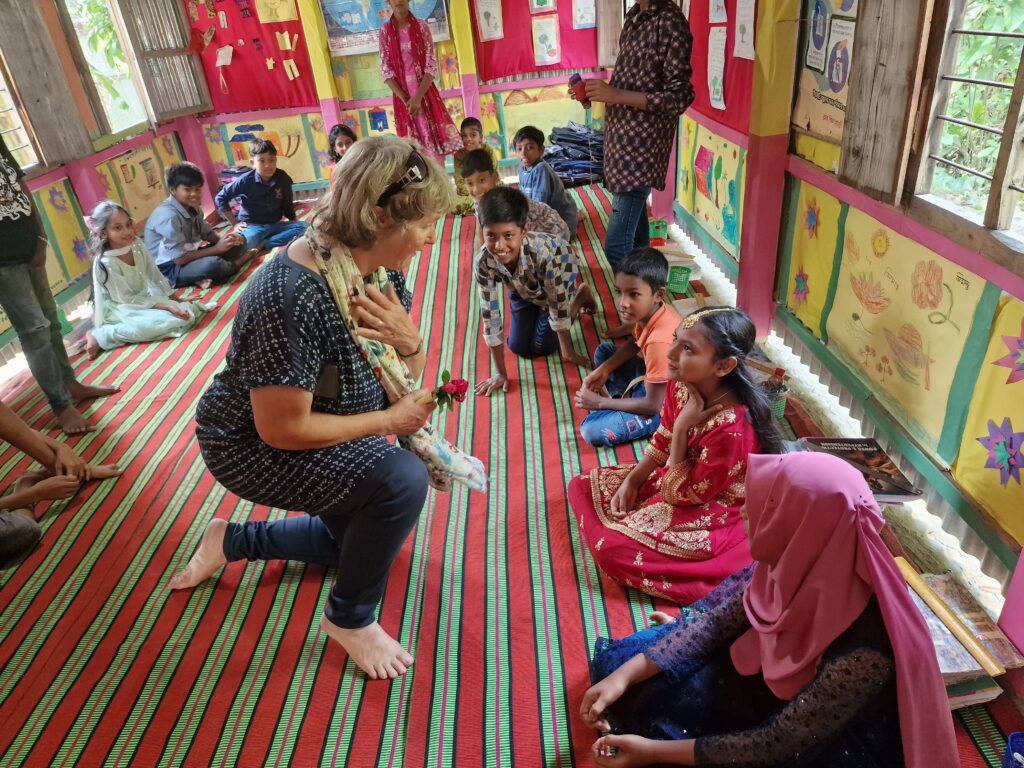
However, when there are learners with disability in class, somehow wonderful human qualities become essential. I believe some key characteristics of an inclusive classroom thus are:
Key characteristics
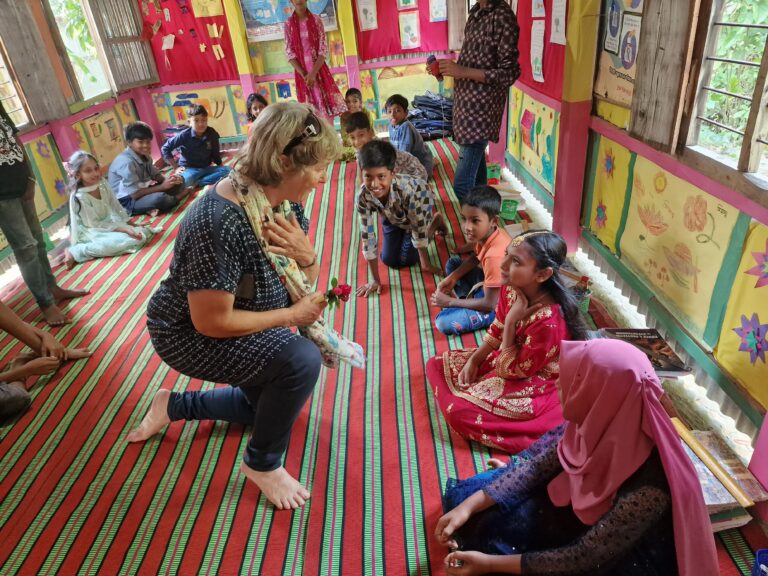
Kindness: Its importance cannot be overestimated. No teacher can ever be excused for being unkind to a child. Yet, belittling and ridiculing or sarcasm are so common in classrooms that we hardly notice them. Creating a classroom atmosphere of kindness and respect is a teacher’s first responsibility, and it is the single most important step toward inclusion.
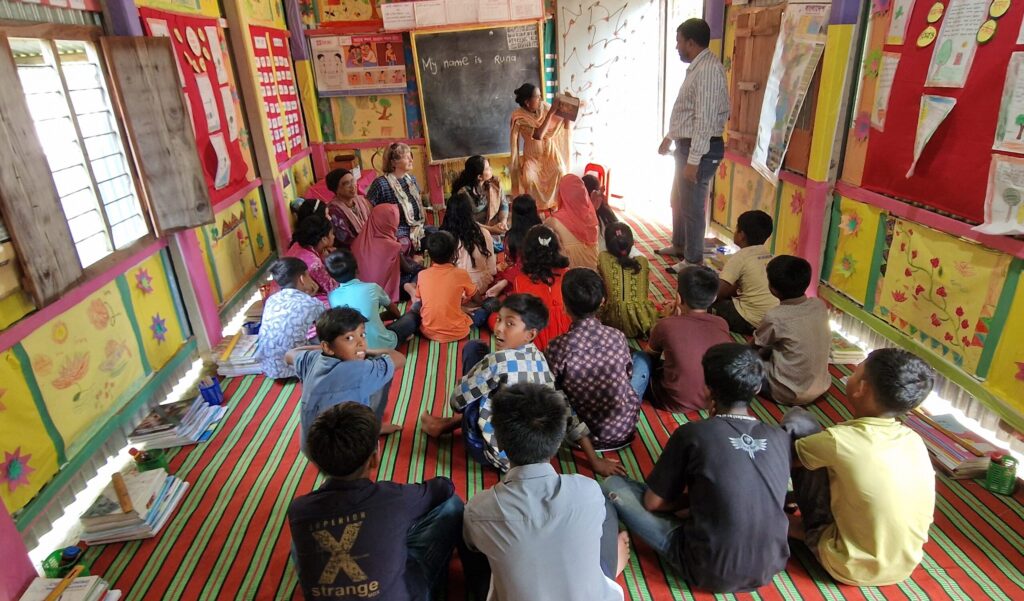
Group work: children need to learn to work in teams. It is a critical skill for life as an adult and it makes the best use of the range of talents and skills in every class. Nothing in adult life is possible without teamwork, yet we seem to discourage children from practicing the vital skills of consensus building, turn taking and appreciating the contributions of others.
Buddy-system: vary how you pair up children – not always a bright learner supporting a weaker learner – so that each one has something to offer the other as well as something to learn. There is no one who does not have a positive contribution to make.
Realistic expectations: don’t expect the same things from each child. We wouldn’t expect a house painter to do the electric wiring or a doctor to cut your hair. We are all wired with our own individual capacities.
Adapt: teachers often behave as if the syllabus is written in stone. Different learners have different learning goals. So why not adjust the content, the time allotted, the skill level, to suit a child’s individual needs? Once we get away from the idea that learning is a competition with winners and losers, all sorts of new approaches are possible.
Praise effort, not intelligence: intelligence is not in anyone’s control – why should we be praised for it? Effort is. And effort almost always trumps intelligence.
Who Is the Problem: The Child or the System?
Once we change the ground rules, once we understand that learning is cooperative and not competitive and that we are all in this together, inclusion becomes a simple task. It can work in our schools as it works in our families by just learning to adapt to the individual needs of each member. That is also how we can create a more just and inclusive society.