International Mother Language Day
International Mother Language Day is observed annually on 21 February to promote linguistic diversity, multilingual education and inclusion. It has its roots in the language movement in Bangladesh.
On 21 February 1952, police fired at protesters in Dhaka, East Pakistan (now Bangladesh). Students and activists wanted Bengali to be recognized as a national language. Many sacrificed their lives for language rights, which led to the recognition of International Mother Language Day being celebrated on 21 February.

Mother Language Day highlights that 40% of the global population lacks access to education in their mother tongue, which seriously impacts learning.
This day encourages reading and using local languages to support equitable and inclusive education for all. Studies show that children taught in their mother language are 30% more likely to read with understanding by the end of primary school.

Overcoming Misconceptions
Mother tongue education is sometimes met with scepticism due to the misconception that it is not “aspirational” enough.
However, when children learn in their local language, they navigate knowledge with confidence—concepts become clearer, ideas flow freely, and the joy of discovery grows.

Studies continue to show that children learn better when they can associate new concepts with familiar words and phrases from their home language.
They tend to perform better academically, demonstrating deeper understanding and stronger comprehension skills compared to peers who begin education in a second language.

Evidence from African Countries
Countries like Ghana and Uganda have strong language policies supporting mother language instruction in early grades.
Learning to read in one’s mother tongue helps reduce dropout rates and makes education more engaging, meaningful, and enjoyable.
If reading fundamentals are taught in local languages, these skills can later transfer to a second language.

In communities in Ghana where reading was taught in the mother tongue, English reading comprehension increased significantly—from only 7% to 27%.

Language diversity is cultural diversity and should be acknowledged and celebrated.
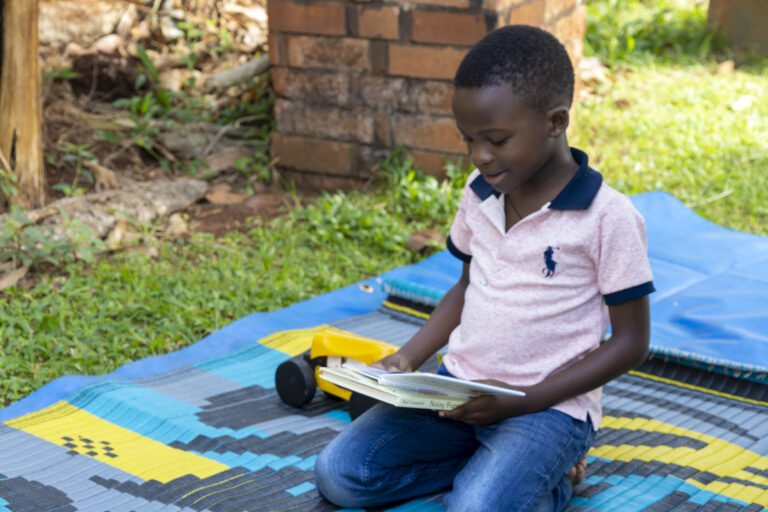
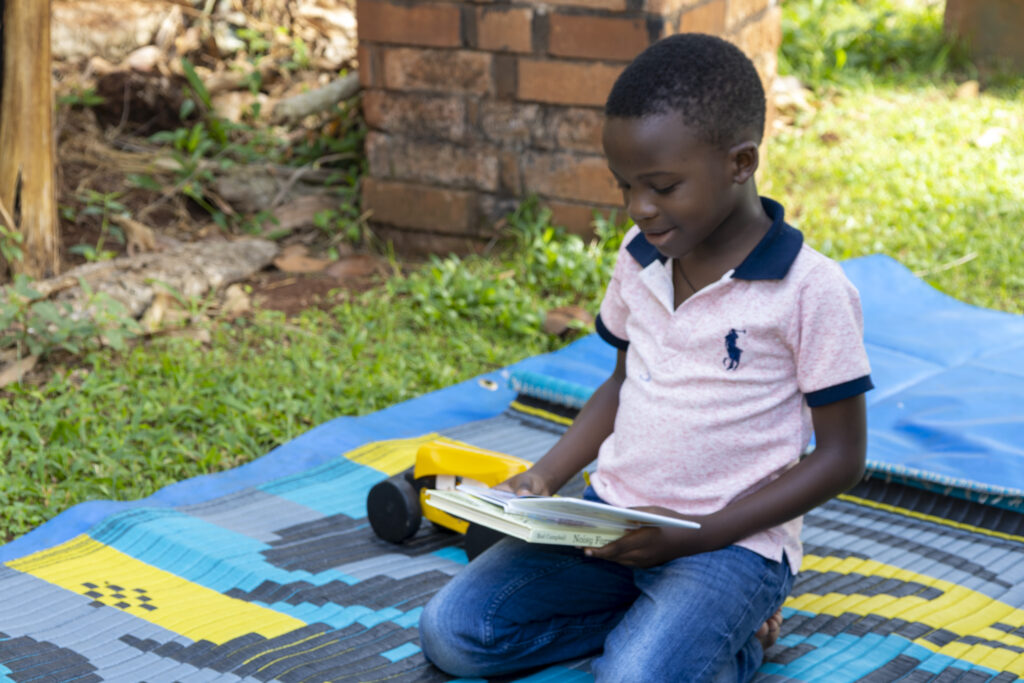
Storybooks for young children must therefore be developed or translated into local languages.

Local publishers such as Pangea Publishing House in Uganda have developed 160 titles, many in the 12 officially recognised local languages used as languages of instruction in lower primary school.

In this way, “Stories for Inclusion” promotes disability inclusion and improves early grade literacy, helping children develop a passion for reading.

Runa story Runa story
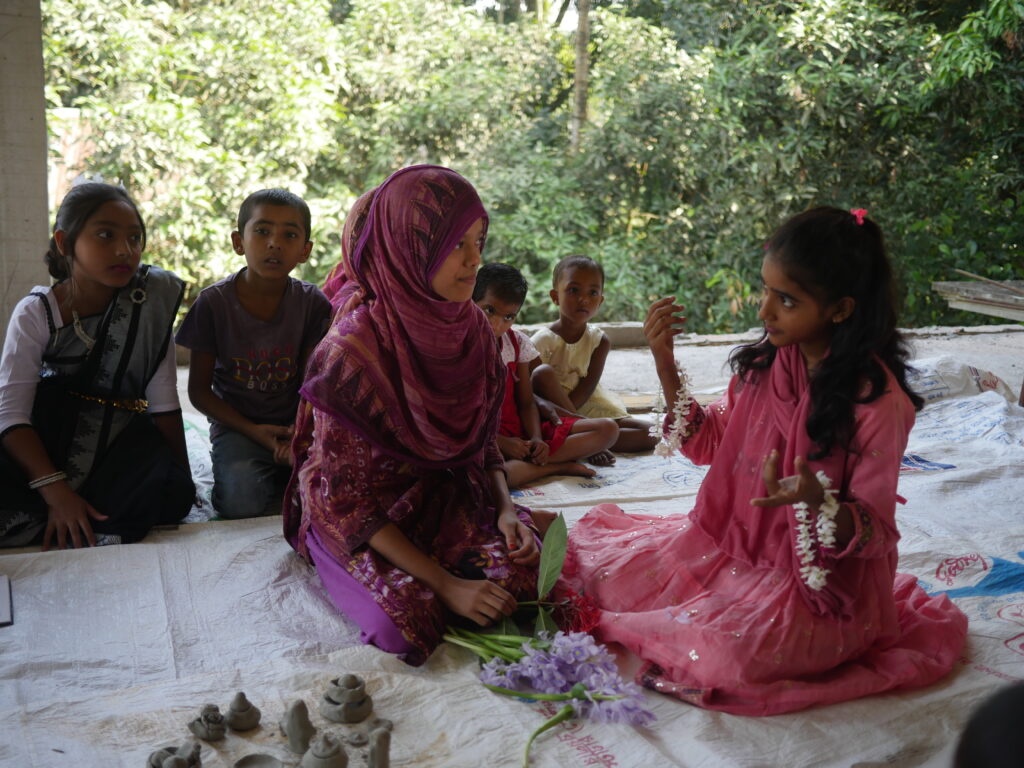
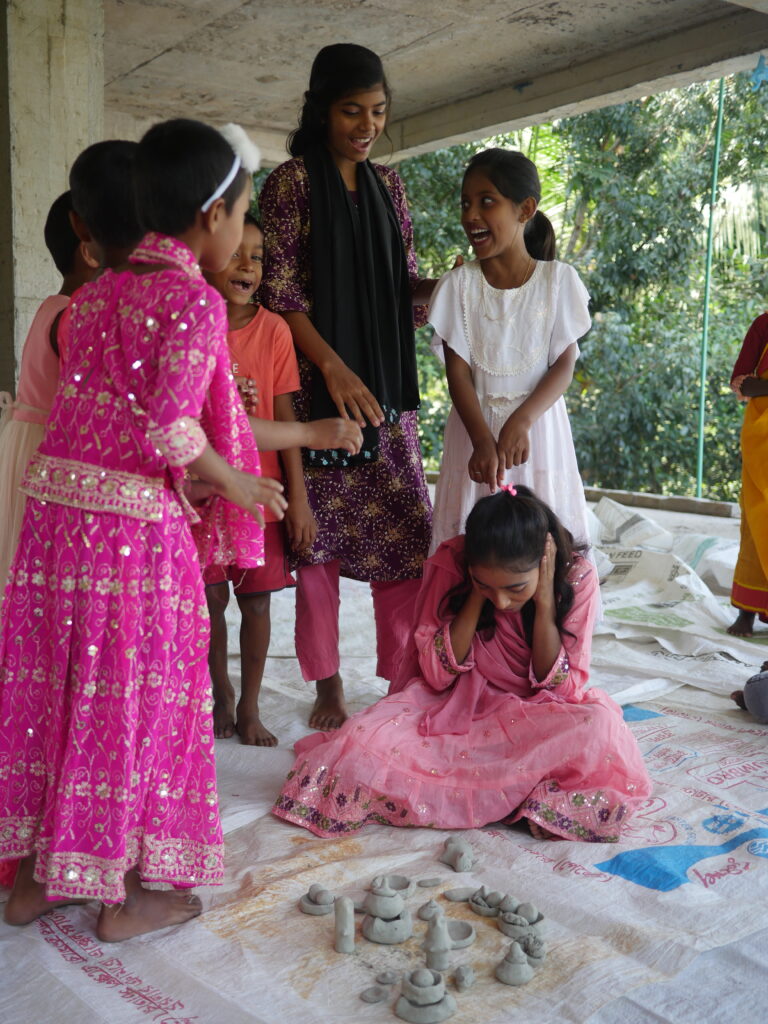
My name is Sultana Akter. I am 12 years old and live in the village of Taluknagor. A volunteer from DRRA visited our village several Fridays and told us about Runa. The story “My Name is Runa” touched me deeply.

Together, we turned the story into a play, in which I take on the role of Runa. When the other children in the play call me foolish, I truly feel the pain Runa must have experienced. That is what makes it so powerful for me.

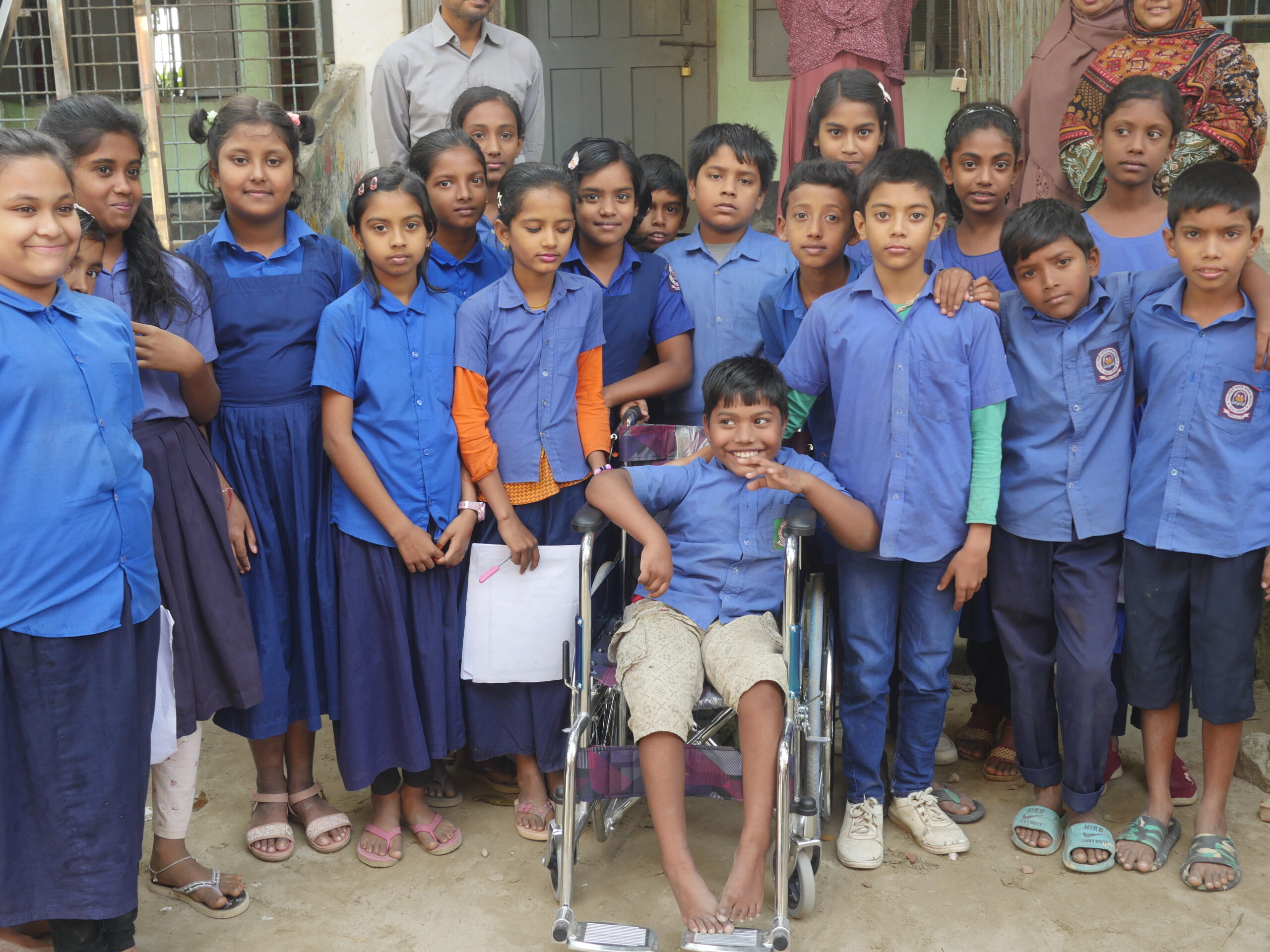
I also shared the story and the book with my classmates. They were just as moved as I was. My classmates promised they would never wrong children with disabilities, but instead support them. I am proud to have changed their perspective on people with disabilities.

In the future, I would like to work with people with disabilities. I am grateful to those who showed us and our community that children with disabilities are no different from us.

The right to education is enshrined in the Universal Declaration of Human Rights and in the UN Convention on the Rights of the Child.

Inclusion is one of the major challenges facing education systems around the world. In any classroom there is a wide range of learners and thus a wide range of learning support needs that a teacher needs to take into account when planning and teaching and when assessing learning. Classrooms are not homogenous and should not be treated or taught as if they were.

Inclusive education recognizes that every child has unique characteristics, interests, abilities and learning support needs and therefore, if the right to education is to mean anything, education systems must be designed and implemented to value each learner and help all of them to reach their potential – which will be different for different children! Most learners that experience difficulties do not need different or “special education”, but they need more flexible and individualized education.


The Myth of “Special” Versus “Ordinary” Learners


It is a myth that there are different categories of learners such as those with “special” and with “ordinary” needs. Education systems have clung to this myth against better judgment, and continue to use undifferentiated instruction as the norm. And thus, there are also no “special needs” children. All children have the same needs of belonging, love, friendship, safety, health, stimulation and self-esteem. “Special needs” has become a new stigmatizing label, which reinforces the deeply entrenched deficit views of ‘difference‘, which define certain learners as ‘lacking something’.

Special needs labels are not useful for teachers as they say little about how to teach a certain child. Furthermore, a teacher may have two learners with the same disability who need very different teaching-learning approaches, simply because children with disabilities are as different from each other as any other group of children.


There Is No Special Education—Only Good Education


There is no “special education” – just education, which can only be of good quality if it is inclusive of, and responsive to learning diversity. Good teaching is good teaching for all children, because good teachers look for a child’s individual strengths as well as learning support needs, and address those effectively.

Inclusive education focuses on what children can do and on their potential for further learning, based on the philosophy that every child can learn, just not always the same things, during the same time, with the same results. That is human diversity!


Support Makes Inclusion Possible


An effective support system is critical if schools are to become inclusive. ’Support’ includes everything that enables children to learn. The most important forms of support are available to every school: children supporting children, teachers supporting teachers, parents becoming partners in the education of their children, and communities supporting their local schools.

Inclusive schools welcome children of all abilities, by placing learners together according to age and without regard of ability level. Years of research has shown that there are significant academic, social, emotional, and physical benefits to teaching children with and without disabilities or learning difficulties in the same class setting, for both those with and without disabilities/learning difficulties.

Education

In the Asian Journal of Inclusive Education Volume 13, No 1, December 2025 a Practitioner Paper was published, written by Els Heijnen-Maathuis and Antoinette Termoshuizen.

The project uses disability-inclusive children’s literature to challenge stigma and shift attitudes in schools and communities. Drawing on both educational theory and real-world practice, the paper shows how inclusive storytelling can be a powerful tool for learning and social change.

By portraying children with disabilities as active, capable protagonists, these stories challenge deficit-based narratives and foster empathy, respect, and a sense of belonging from an early age.

Read the full paper here.

Quiz Quiz

Quiz Competition 2025 on My Name is Runa Book

By: Nizam Uddin - Project Manager NGO DRRA
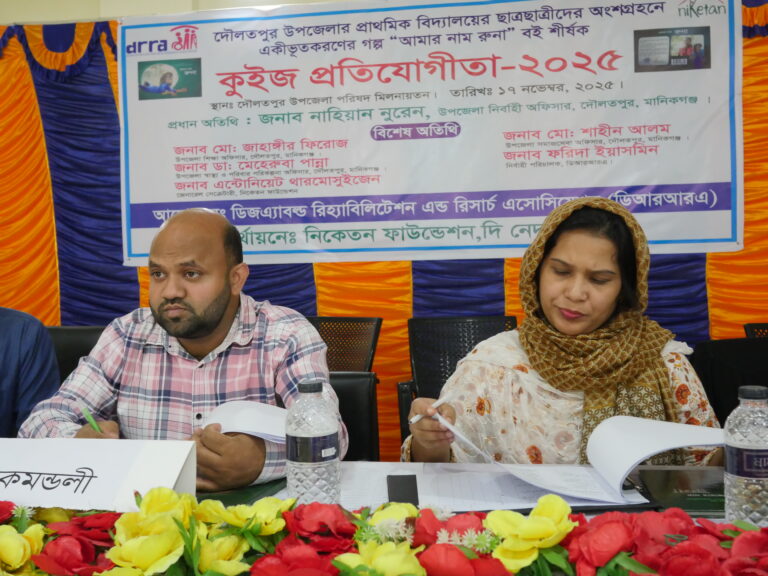
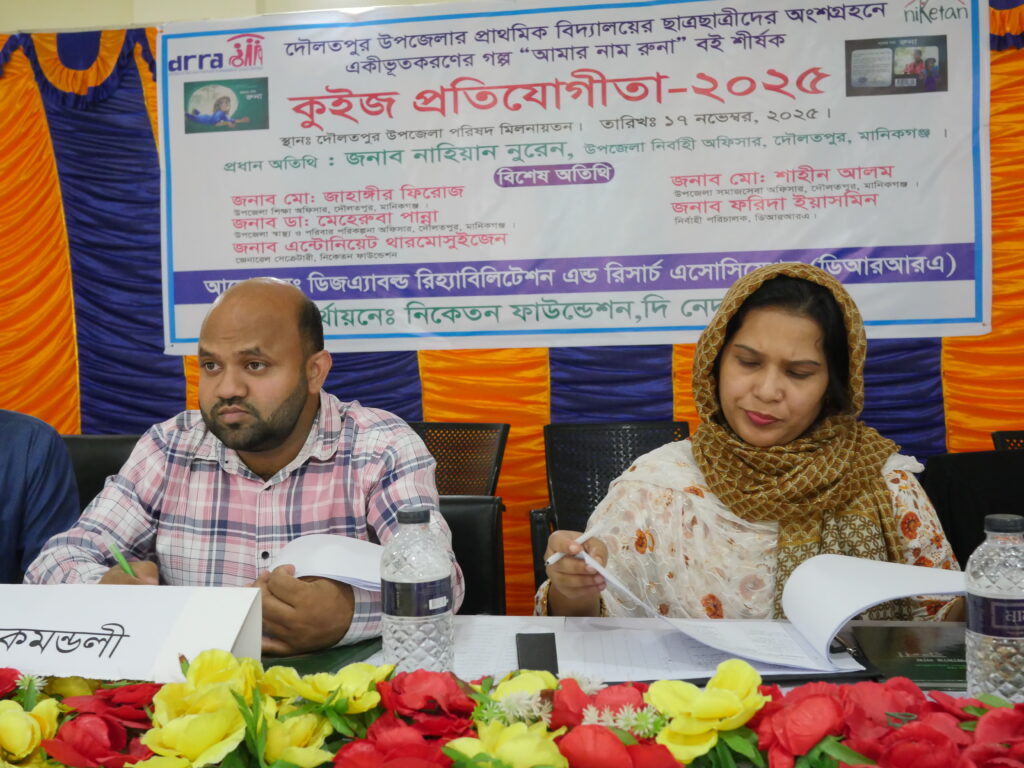
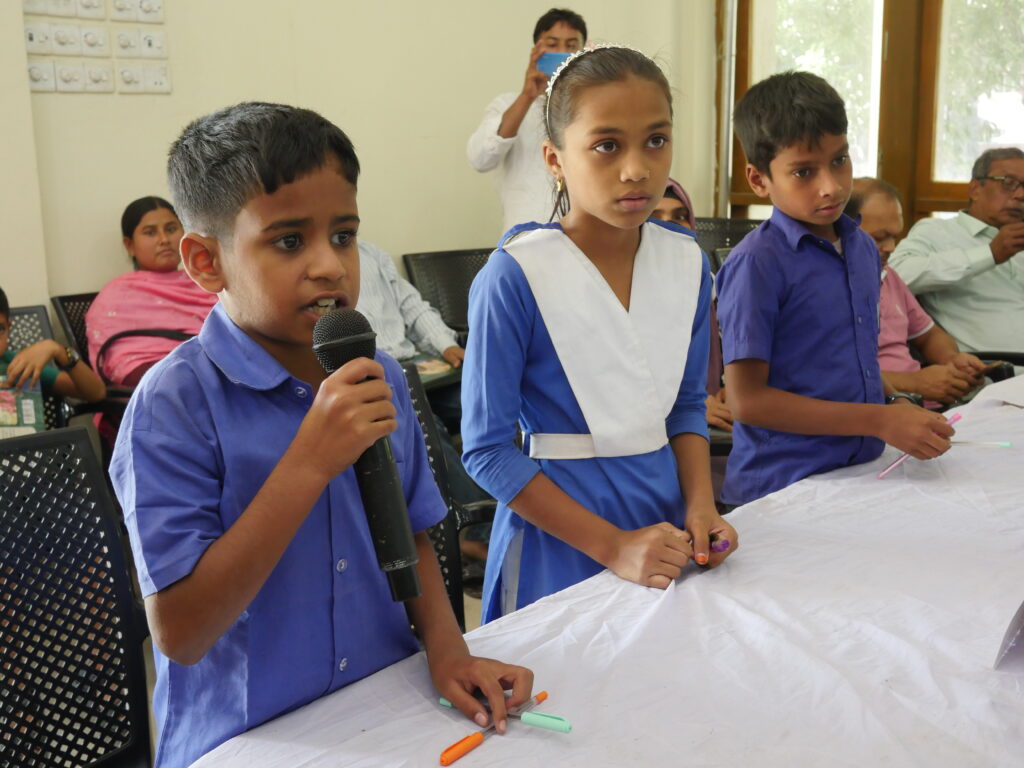
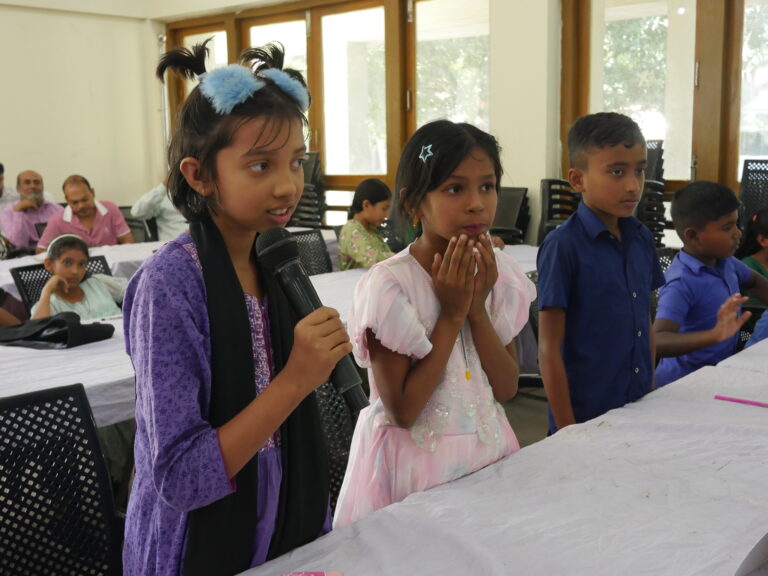
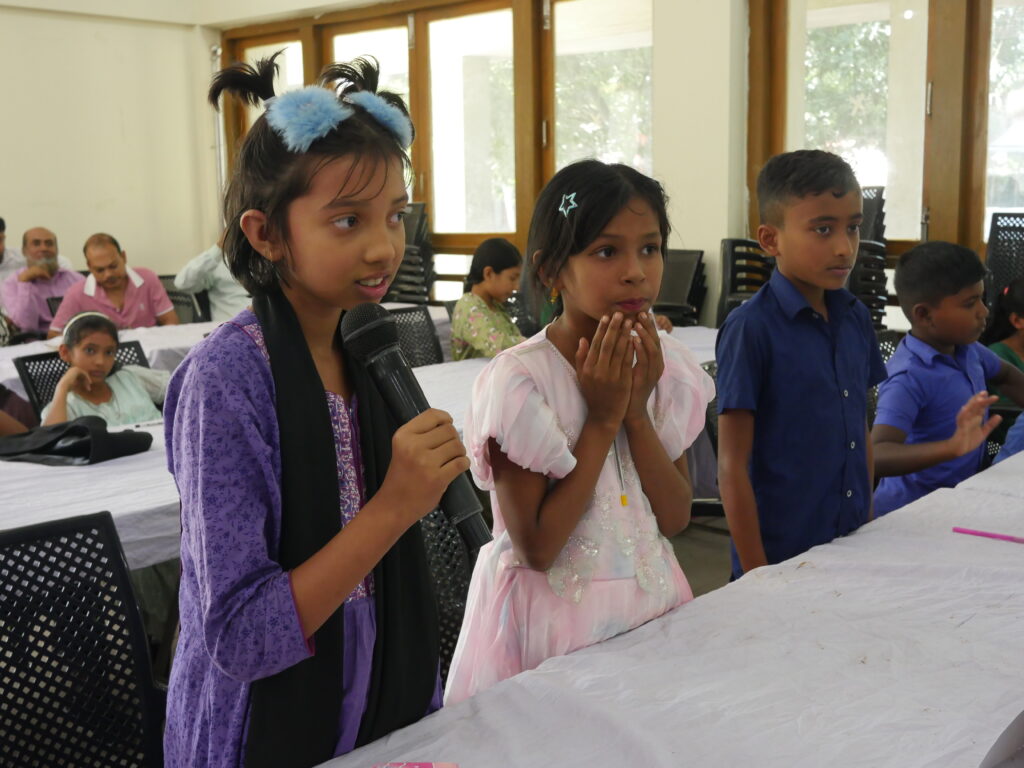
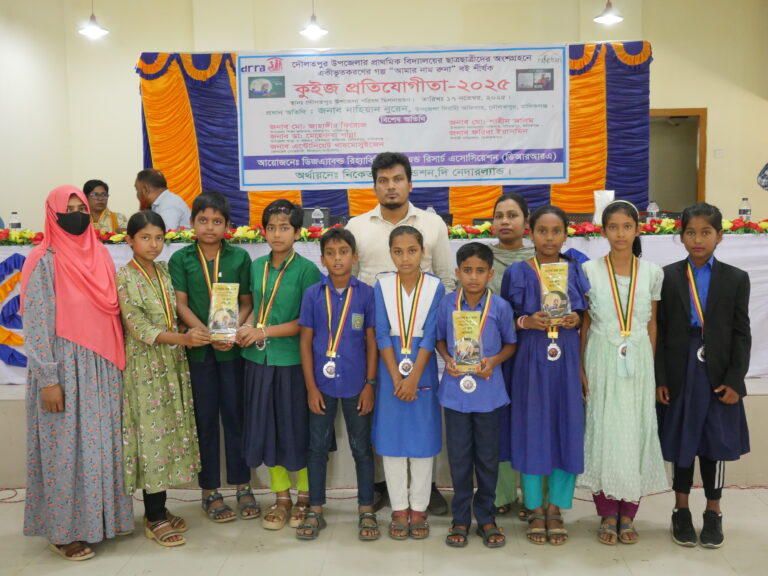
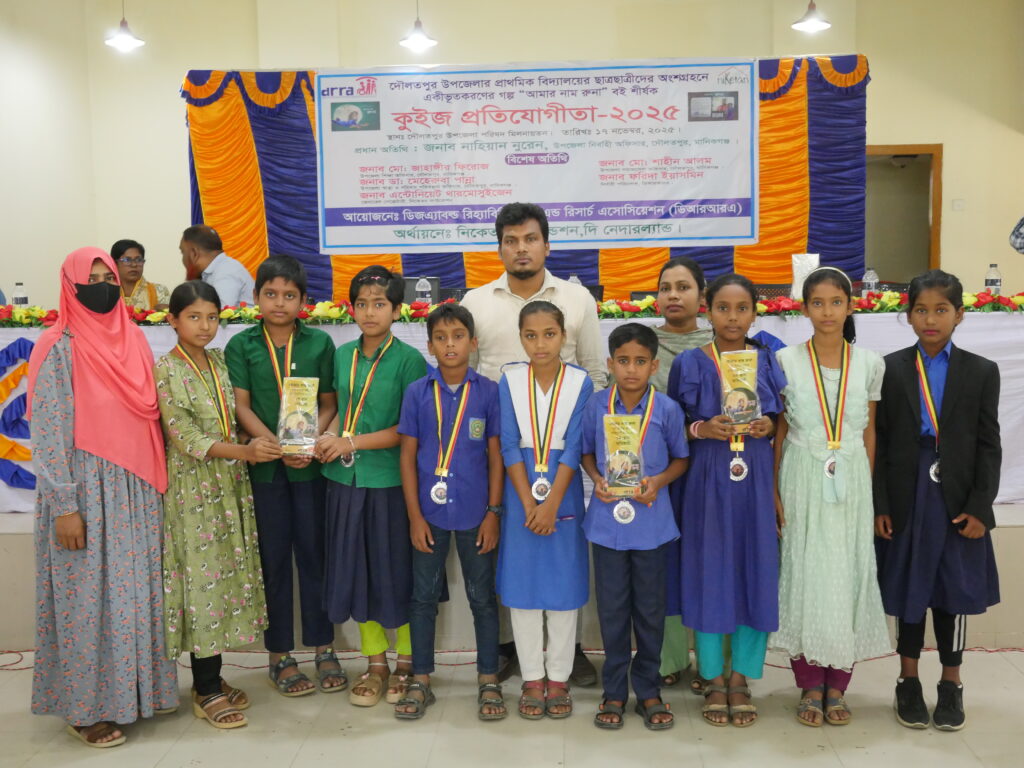
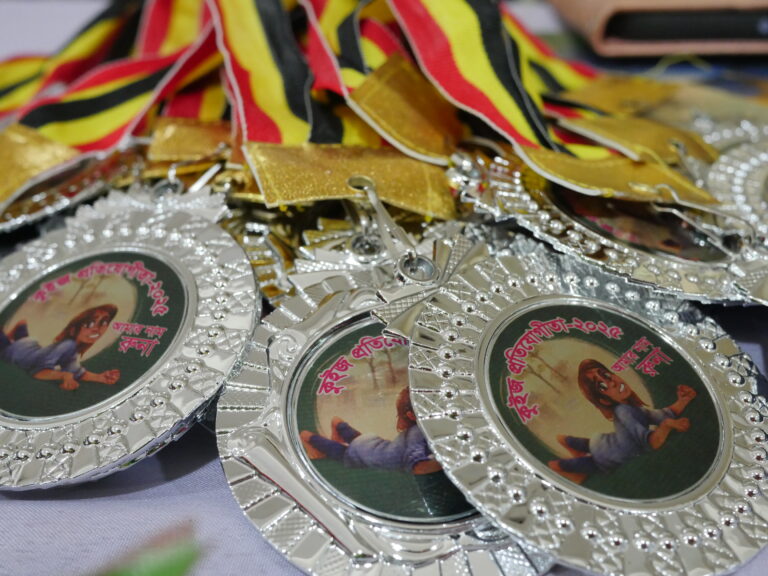
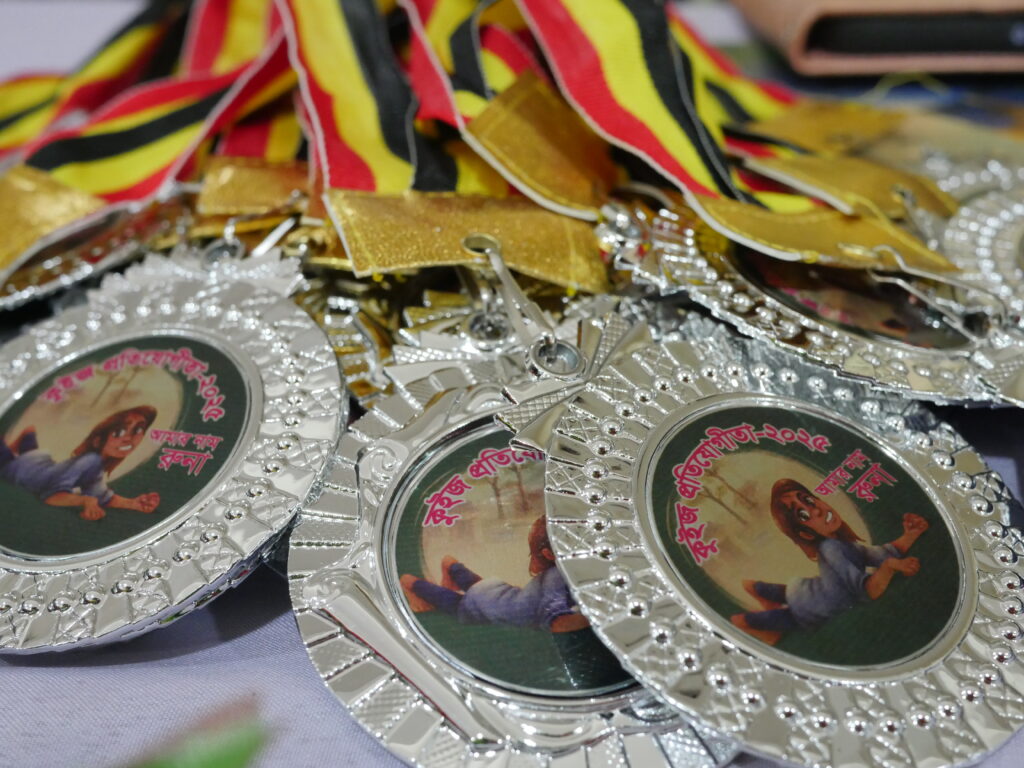
On 17 November 2025, DRRA, with financial support from Niketan Foundation, organized a quiz competition on the book My Name is Runa. The event aimed to raise awareness about disability, particularly cerebral palsy, and promote inclusive education among primary school students.

The competition brought together 60 participants from 20 government primary schools of Doulatpur Upazilla. Each school was represented by three students who answered three questions related to the book. Additionally, 20 teachers, one from each participating school, participated as “Disability Champions” assisting the students.

quiz quiz
Inauguration and Attendance
The quiz competition was inaugurated and presided over by Nahean Noor, Upazilla Nirbahi Officer (UNO), who also participated in the prize distribution session. Other dignitaries present included:

  • Md. Zahangir Firoz, Upazilla Education Officer
  • Md. Shahin Alam, Upazilla Social Service Officer, Doulatpur
  • Antoinette Termoshuizen, General Secretary, Niketan Foundation
  • DRRA official staff

The presence of these officials highlighted the importance of inclusive education and community engagement in disability awareness.

quiz quiz
Objectives of the Quiz Competition
The main objectives of the event were:

  1. To enhance children’s reading habits and comprehension skills through interactive learning.
  2. To encourage students to understand the key messages of My Name is Runa, particularly inclusion, self-confidence, and respect for persons with disabilities.
  3. To develop students’ critical thinking, listening, and teamwork abilities through a fun and educational competition.
  4. To promote awareness among young learners about diversity, empathy, and acceptance of differences in society.
  5. To strengthen engagement between DRRA, schools, and the local community in promoting inclusive education.

quiz quiz
Results
At the conclusion of the competition, the following schools secured top positions:

Sl. No Name of School Position Score
01. 28 No Bachamara Government Primary School 1st 30
02. 97 No Vorra Government Primary School 2nd 28
03. 47 No Parmastul Government Primary School 3rd 26

quiz quiz
Recommendations and Future Plans

  • Extend the quiz competition to all schools in Doulatpur Upazilla to increase awareness and student engagement.
  • Continue distributing My Name is Runa books to more students as part of inclusive education initiatives.
  • Encourage schools to appoint more teachers as Disability Champions to sustain learning on disability awareness.
  • Plan inter-Upazilla competitions to further motivate students and enhance peer-to-peer learning.

The “My Name is Runa” Reading Initiative in Ghior and Daulatpur
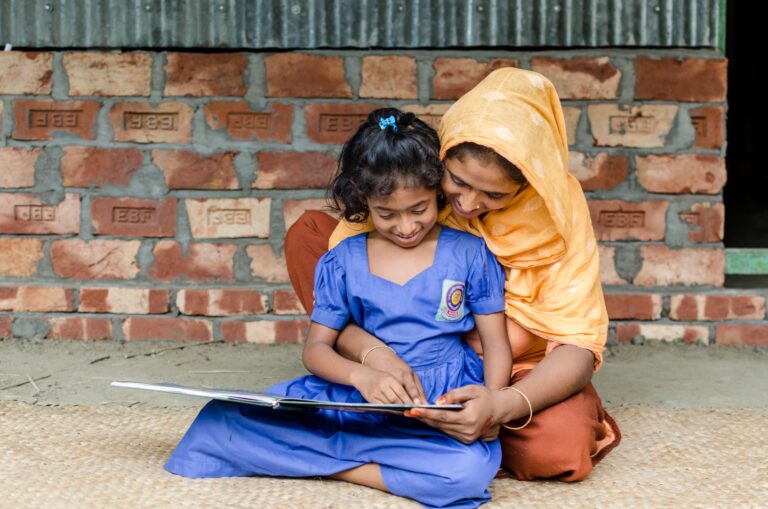
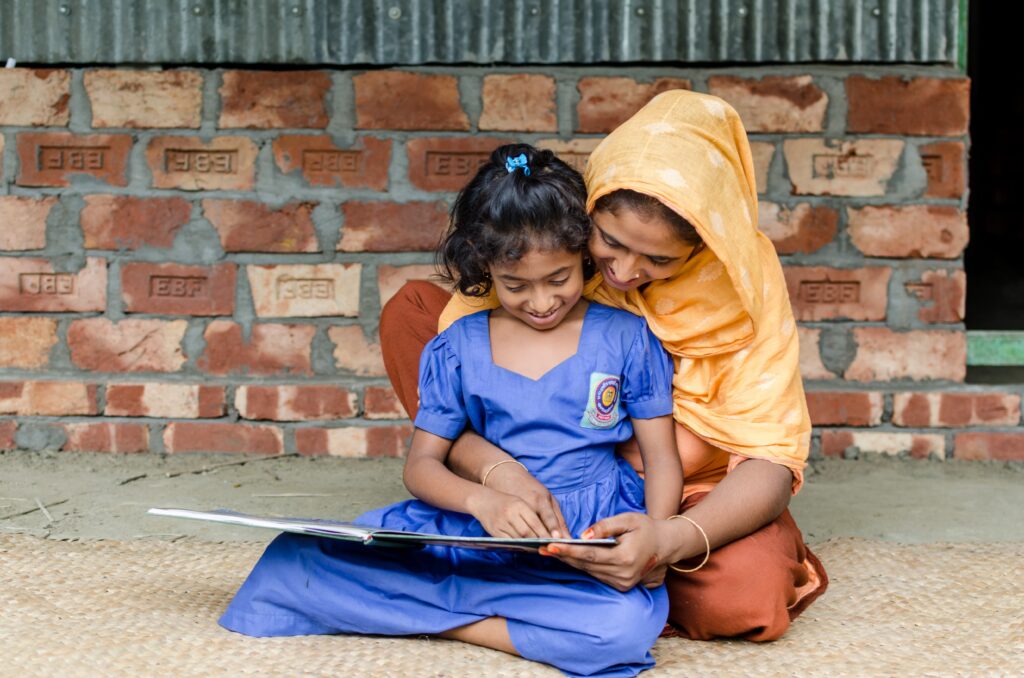
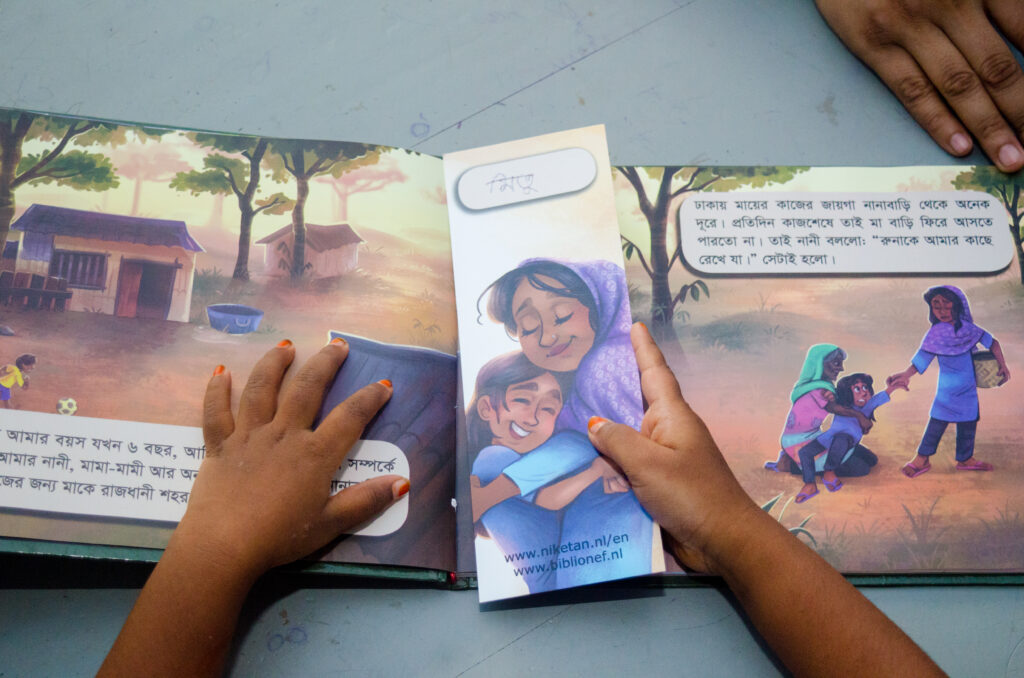
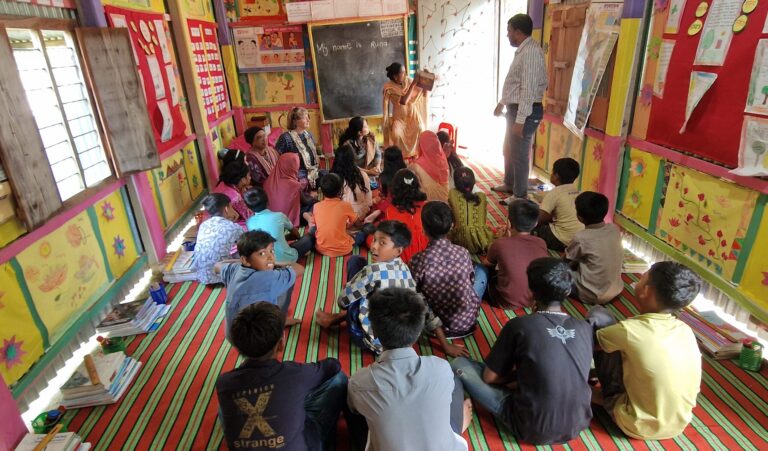
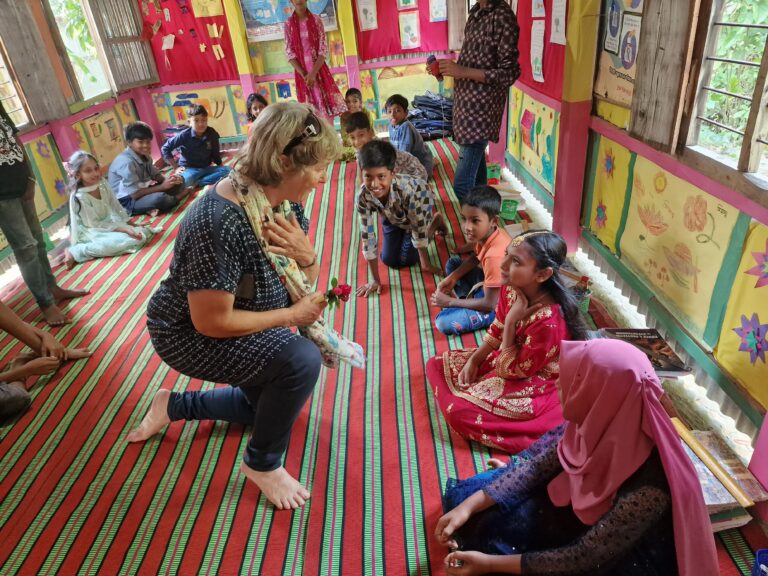
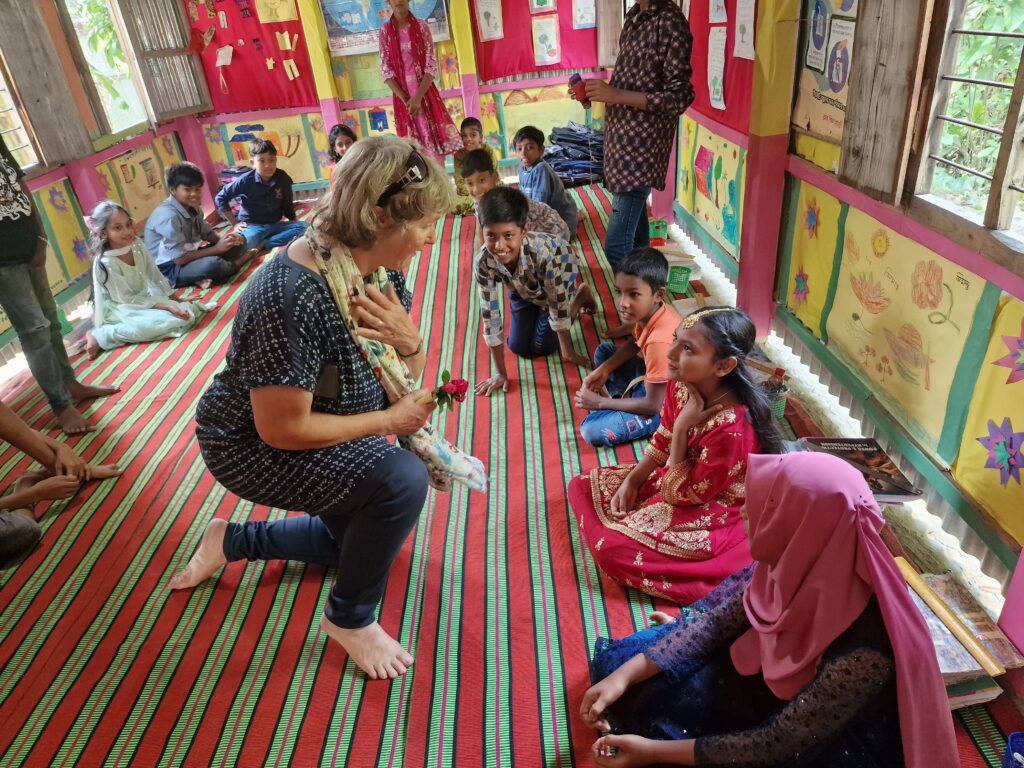
The story of Runa is now being shared with children in several villages in Ghior and Daulatpur. Every Friday, fifteen enthusiastic volunteers visit children in their own or neighboring villages to read aloud from the book “My Name is Runa.”

Many of these children do not have storybooks at home and rarely have the chance to put themselves in someone else’s shoes. Runa’s story shows them that children with and without disabilities share the same fears, dreams, and emotions.

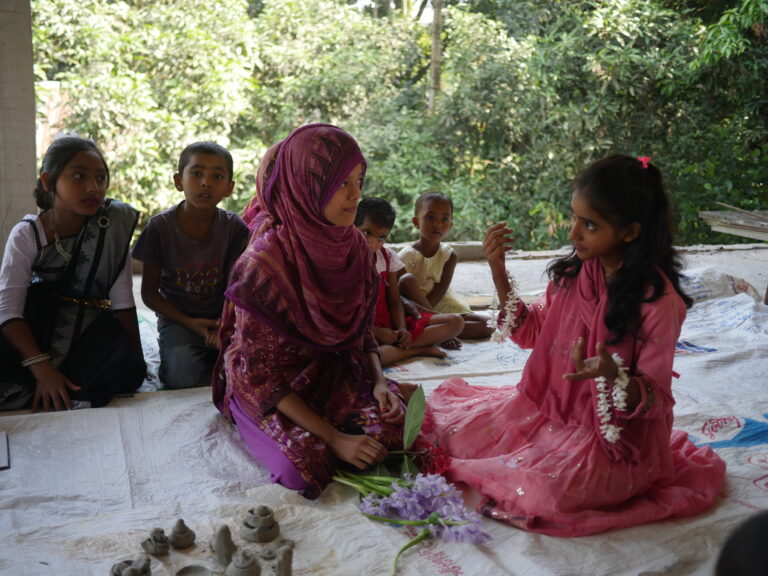
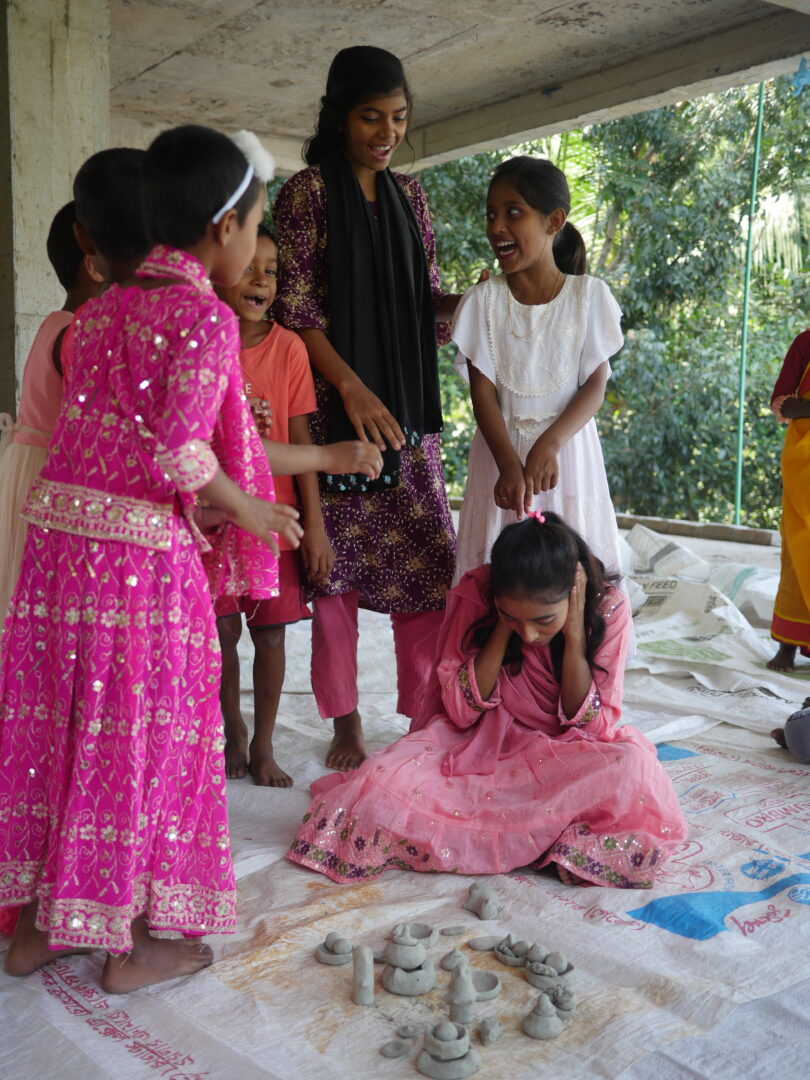
Reading together is just the beginning—there is also plenty of fun and interaction. Children act out the story, sing, dance, and enjoy the experience together. Parents, neighbors, and other villagers also listen in, becoming more aware of the impact of bullying on children.

Through this activity, both children and adults learn about empathy, understanding, and inclusion in a playful and accessible way.


BRAC BRAC
We are thrilled to announce that BRAC, the world’s largest non-profit organization, has reached out to incorporate our book ‘My Name is Runa’ into their curriculum.

As part of this collaboration, we recently conducted a comprehensive training on inclusive education—both online and in-person—for over 40 participants from various BRAC education programs. The training covered key topics such as “What is a disability?”, “Who has a disability?”, “How do you know?”, and “Is it important to know?” Through a mix of individual and group activities, short videos, and other visual aids, participants explored the importance of creating inclusive learning environments.

BRAC BRAC
A major focus of the session was the need for inclusive children’s books. BRAC has already taken important steps by including children with disabilities in their schools. Since BRAC schools are eventually integrated into the national education system under the Ministry of Education, the potential impact of this initiative is significant—and may continue to grow over time.

Children, by nature, are curious, open-minded, and adaptable. Introducing inclusive values early helps them embrace diversity and can shape them into advocates for empathy and social change as they grow.

Through this partnership, students in 6,190 BRAC schools will meet Runa and learn about her life—spreading the message of inclusion to thousands of young learners.

Are you interested in bringing ‘My Name is Runa’ to your school or program? Contact us today


Hello

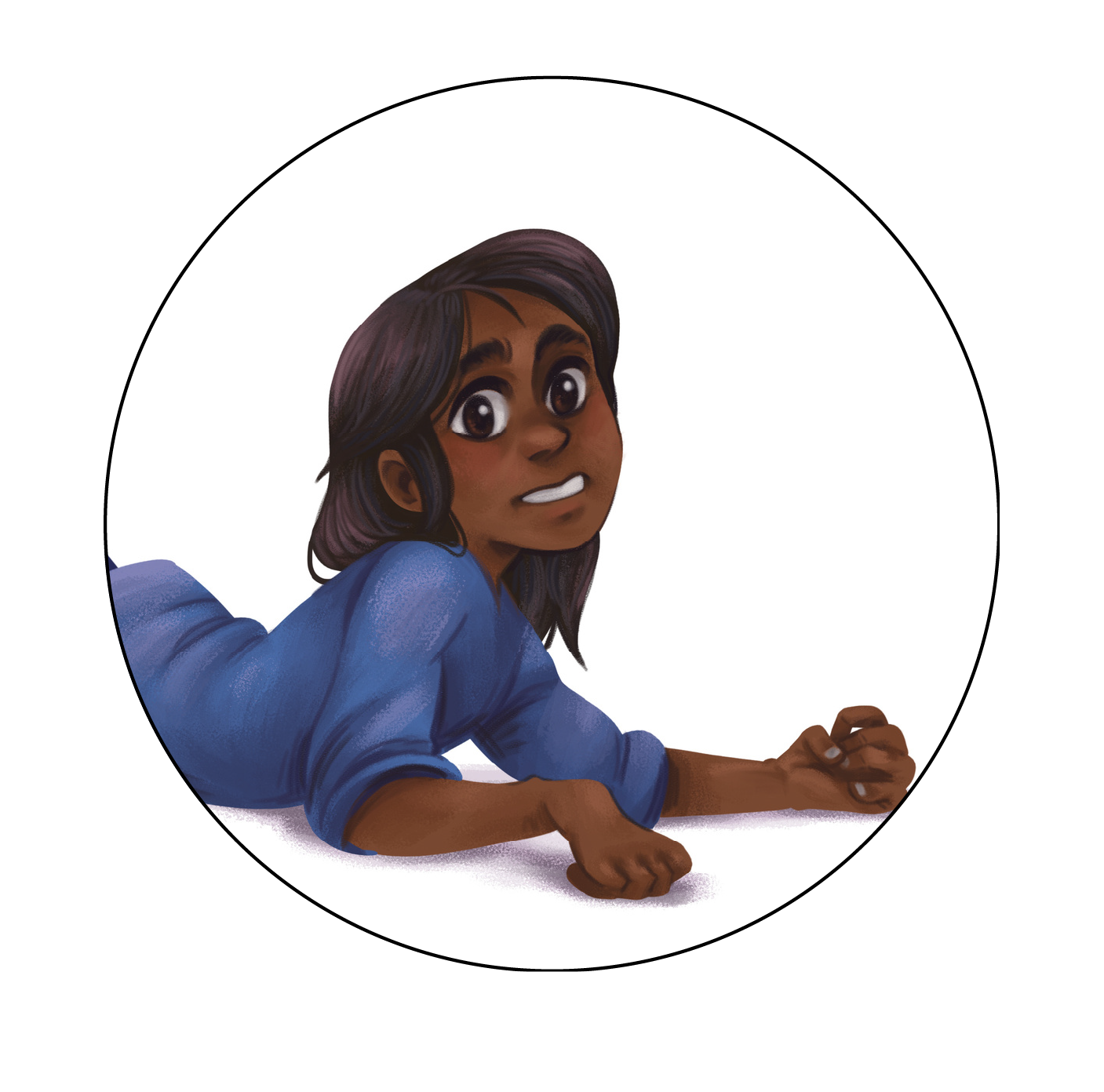
I am Runa.
“I have Cerebral Palsy and I live in Bangladesh. Because I walk and talk with difficulty, everyone calls me “an idiot”! Now I play the lead role in a storybook, in which I tell everyone what it is like to have a disability and to be teased. My story has a surprising end. I hope it helps to raise awareness about how it feels to grow up with a disability”
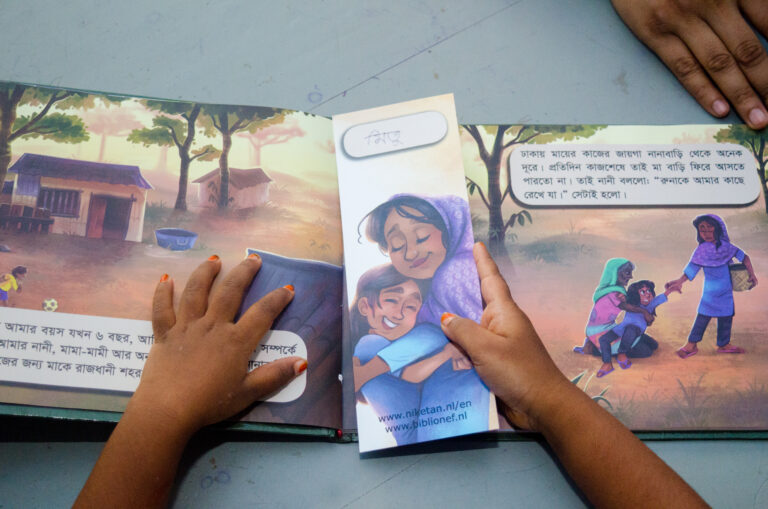
The book “My name is Runa” is based on the true story of Runa, an 18-year old girl in Bangladesh with Cerebral Palsy (CP). The story highlights her experiences growing up, both positive and negative. Runa, who is now a teaching assistant at the Niketan school for children with special needs in Dhaka, will visit mainstream schools in Bangladesh to talk about CP.