Bringing children with disabilities into mainstream schools turns the whole system upside down. Maybe that is what is needed because it forces us to look at education differently. In many countries the practiced system of education is a system of exclusion. But we are so used to this, that we accept it without question.

We put barriers everywhere, from admission and school fees, to standard learning assessments and exams, and, in many schools a foreign language of instruction.  

We all have seen the excited and happy children, eager to carry their schoolbag, running off on their first day of school. Those children come home in the afternoon, their enthusiasm gone, their curiosity squashed. How did this happen?


The Myth of the “Typical” Child


As parents and as educators, we compare and measure children against some mythic “typical” child.  A child that really does not exist. And the child in question, an individual with unique characteristics, strengths and weaknesses, slowly disappears. So, thank you for disability! Thank you for weakness we can see, for individual support needs which are obvious, for a chance to make education work for each and every child.

I have four children – the second one has Autism Spectrum Disorder (ASD). I only wish I had had him first. Because he is the one who taught me to stop comparing him to a milestone list, a development sheet, or to the other children his age, and start looking at him. And that’s what inclusion offers us: a chance to see our children – all of them – as they are: unique, diverse, precious, whole.


Collaboration Over Competition


A child with a disability entering a regular school tends to become automatically a problem, starting with physical and educational accessibility and the admission process. How do you test such a child? Do you have to?  Now bring that child into the classroom. Here it can get a little trickier. The difficulties, however, are still not with the child but with the system. The child with a disability holds up a mirror for us, showing us what we are really doing. And what are we doing? Are our classrooms communities of learners or communities of competitors?

It seems children are more encouraged to work for grades than for knowledge and their peers tend to be rivals rather than collaborators. Cooperation and sharing are often not taught or valued, and in fact, often discouraged (Do not share your work, do not copy, do not talk in class, etc.)

However, when there are learners with disability in class, somehow wonderful human qualities become essential. I believe some key characteristics of an inclusive classroom thus are:


Key characteristics


Kindness: Its importance cannot be overestimated. No teacher can ever be excused for being unkind to a child. Yet, belittling and ridiculing or sarcasm are so common in classrooms that we hardly notice them. Creating a classroom atmosphere of kindness and respect is a teacher’s first responsibility, and it is the single most important step toward inclusion.

Group work: children need to learn to work in teams. It is a critical skill for life as an adult and it makes the best use of the range of talents and skills in every class. Nothing in adult life is possible without teamwork, yet we seem to discourage children from practicing the vital skills of consensus building, turn taking and appreciating the contributions of others.

Buddy-system: vary how you pair up children – not always a bright learner supporting a weaker learner – so that each one has something to offer the other as well as something to learn. There is no one who does not have a positive contribution to make.

Realistic expectations: don’t expect the same things from each child. We wouldn’t expect a house painter to do the electric wiring or a doctor to cut your hair. We are all wired with our own individual capacities.

Adapt: teachers often behave as if the syllabus is written in stone. Different learners have different learning goals. So why not adjust the content, the time allotted, the skill level, to suit a child’s individual needs? Once we get away from the idea that learning is a competition with winners and losers, all sorts of new approaches are possible.

Praise effort, not intelligence: intelligence is not in anyone’s control – why should we be praised for it? Effort is. And effort almost always trumps intelligence.


Who Is the Problem: The Child or the System?


Once we change the ground rules, once we understand that learning is cooperative and not competitive and that we are all in this together, inclusion becomes a simple task. It can work in our schools as it works in our families by just learning to adapt to the individual needs of each member. That is also how we can create a more just and inclusive society.
In February 2026, we launched the pilot project Stories for Inclusion Uganda with inception meetings in Pakwach and Nebbi Districts in Northern Uganda, with technical support from Biblionef Netherlands. ProVictimis (Switzerland) funds the pilot, with additional support from UNESCO Netherlands.

We build on successful experiences in Bangladesh and use storybooks to promote inclusive education. During the pilot year, we are working with eight schools, focusing on pre-primary and lower primary classes.

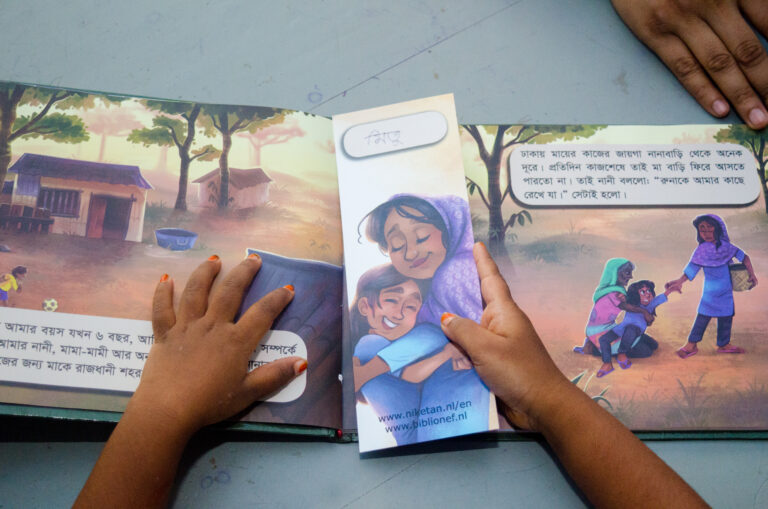
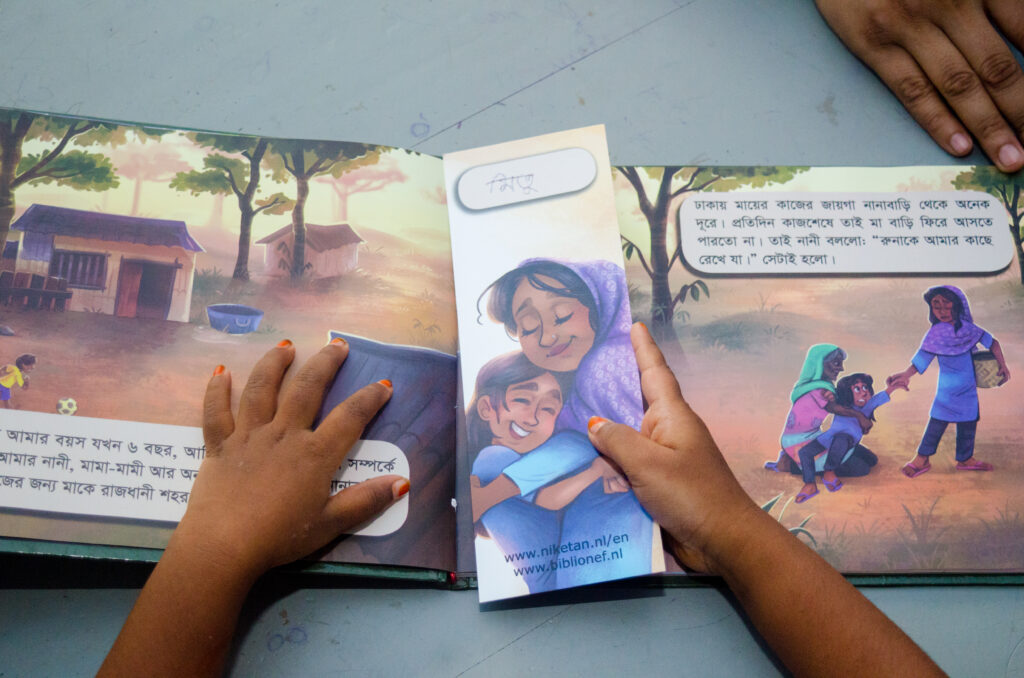
We brought storybooks from Bangladesh, including My Name is Runa, from the Netherlands and collected additional inclusive storybooks at Pangea Publishing House in Kampala. Each pilot school will receive a small “mini-library” of inclusive storybooks. At the same time, we are exploring the development of a new storybook in Uganda, which we plan to share later with Bangladesh and Sri Lanka, where partners are preparing similar activities.

We are currently seeking funding to continue the project after the first pilot year.

Uganda Uganda
Training teachers and building a community
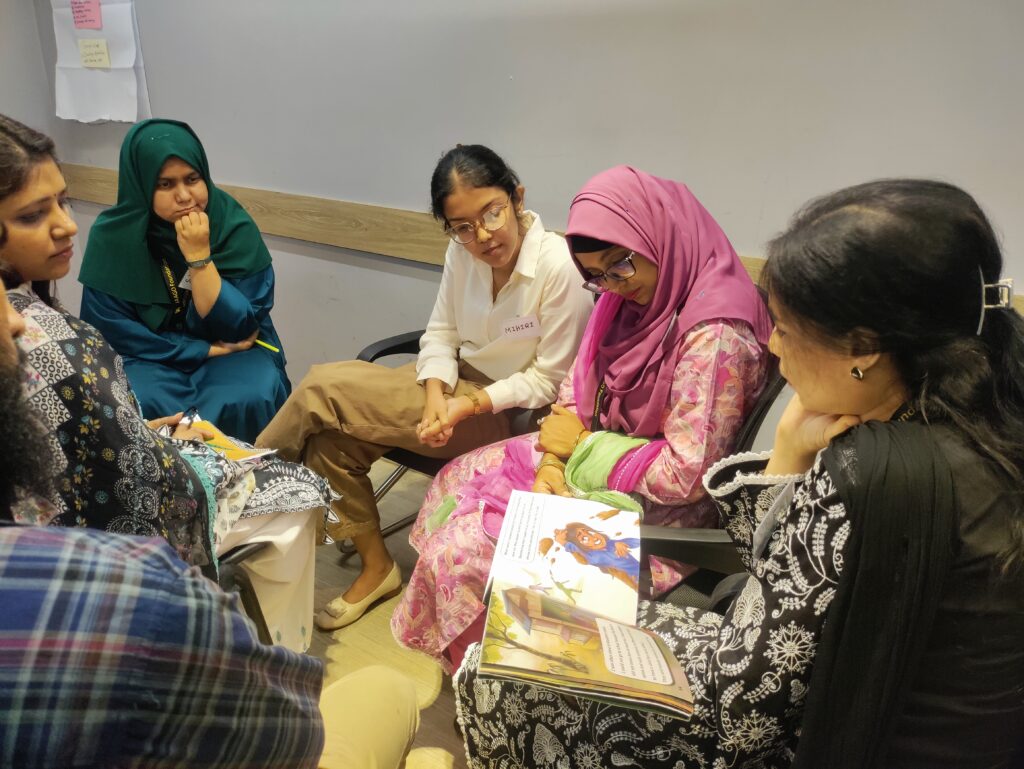
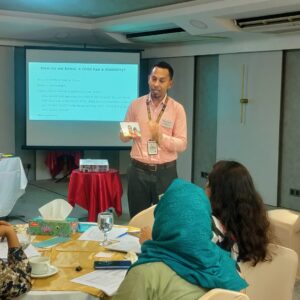
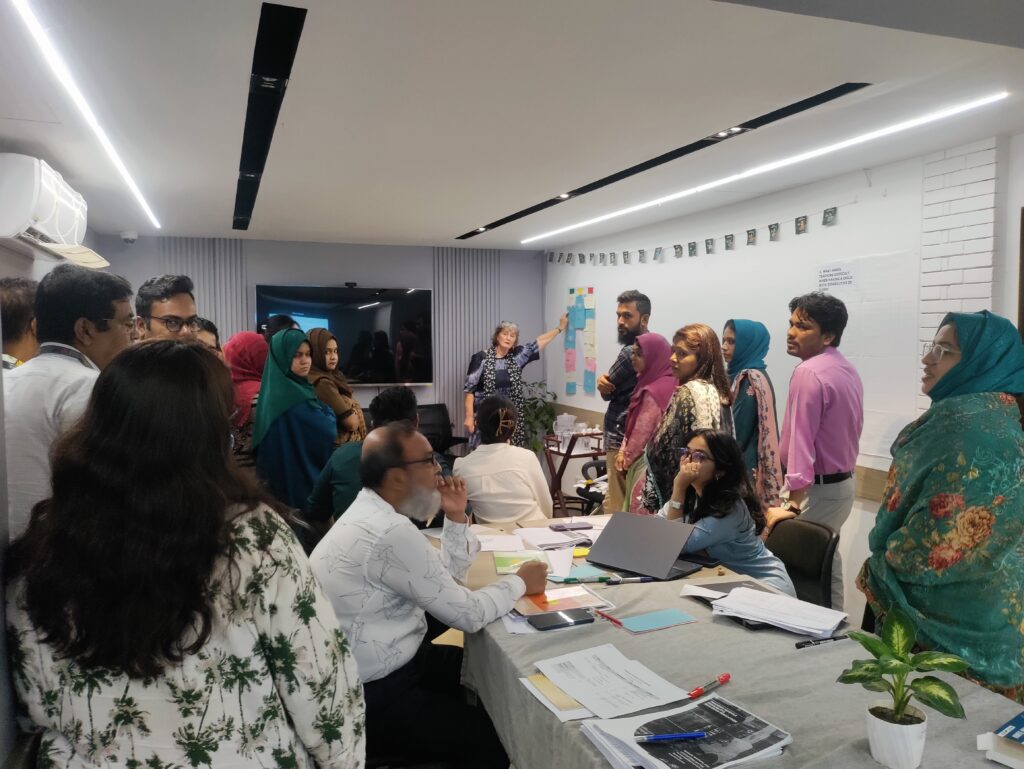
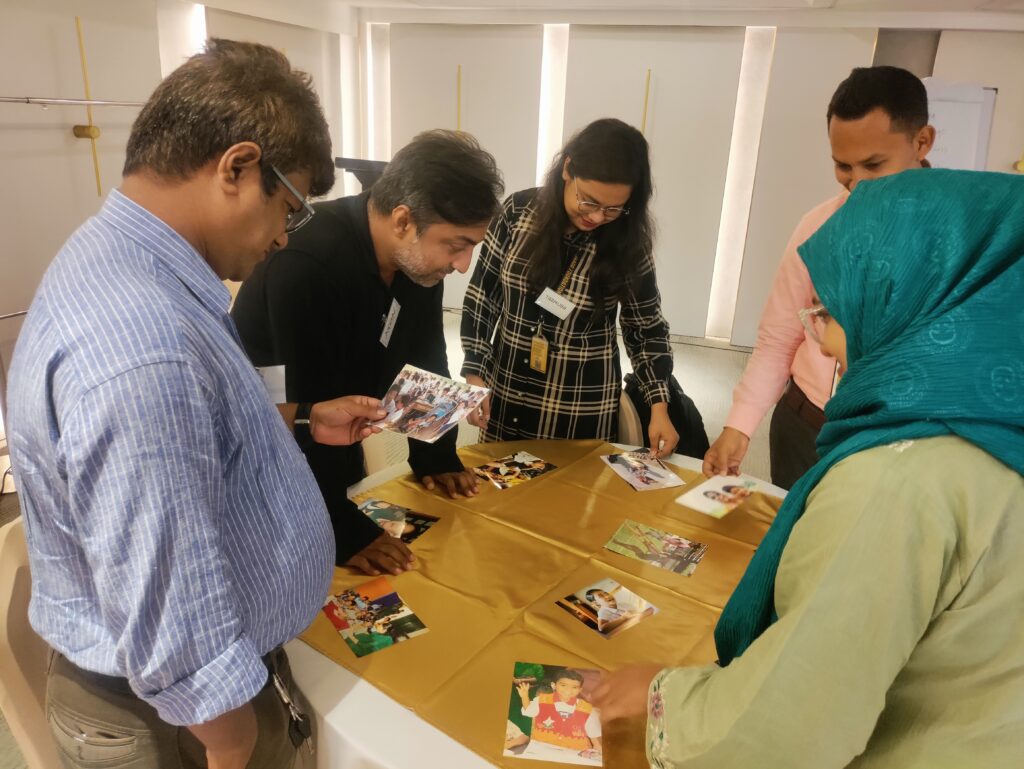
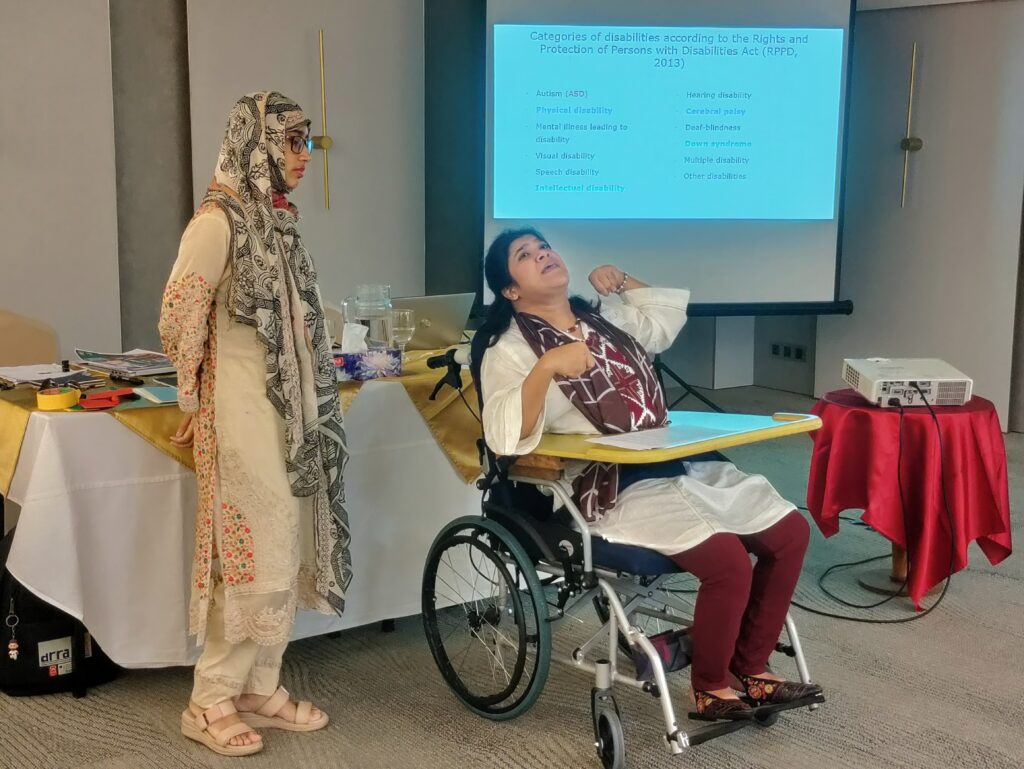
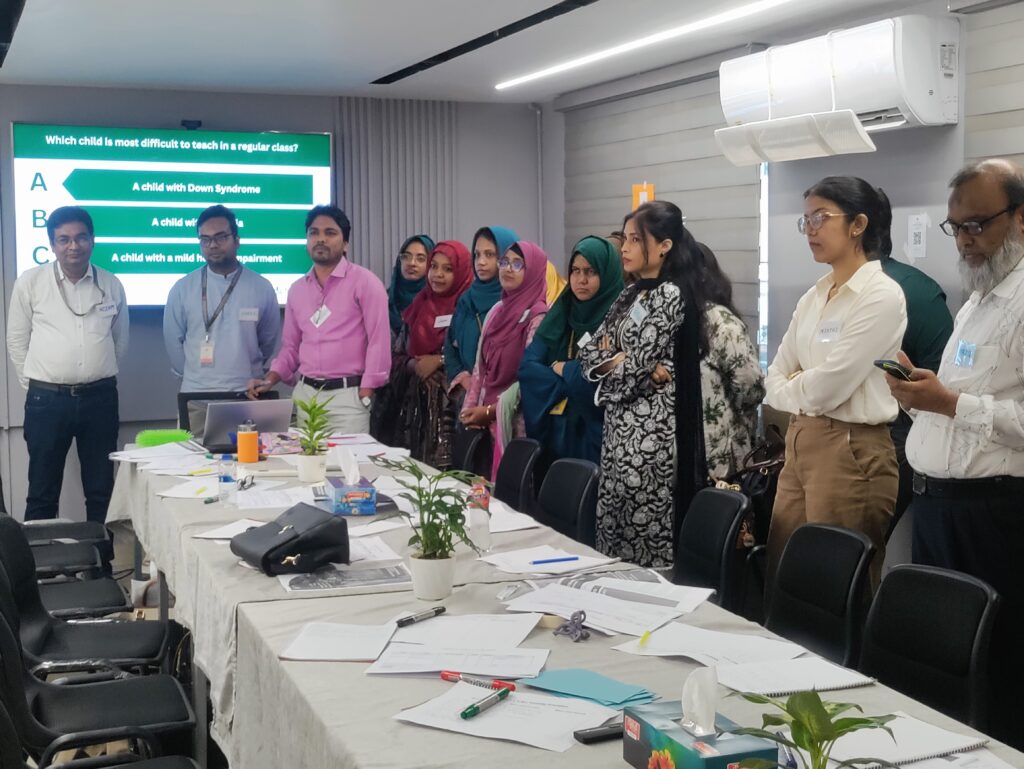
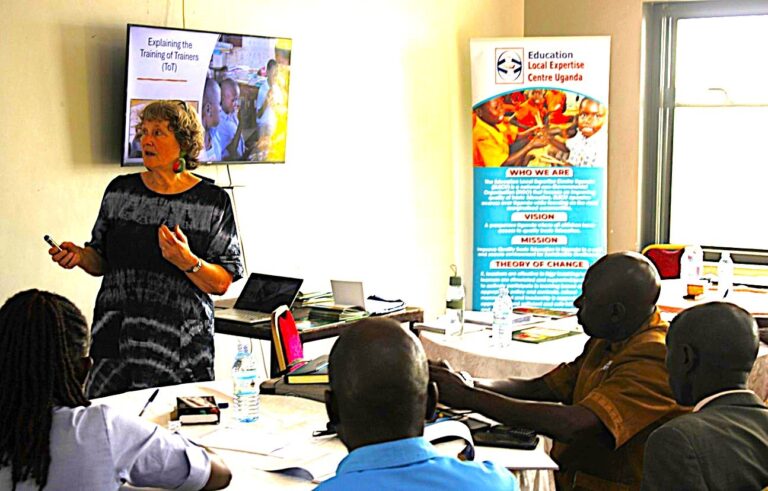
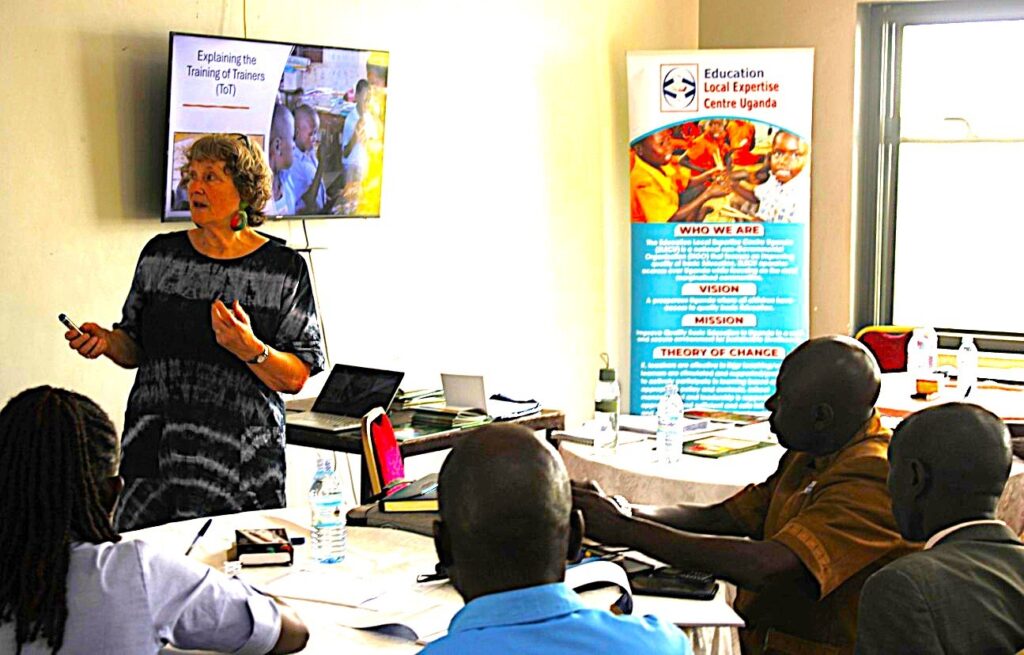
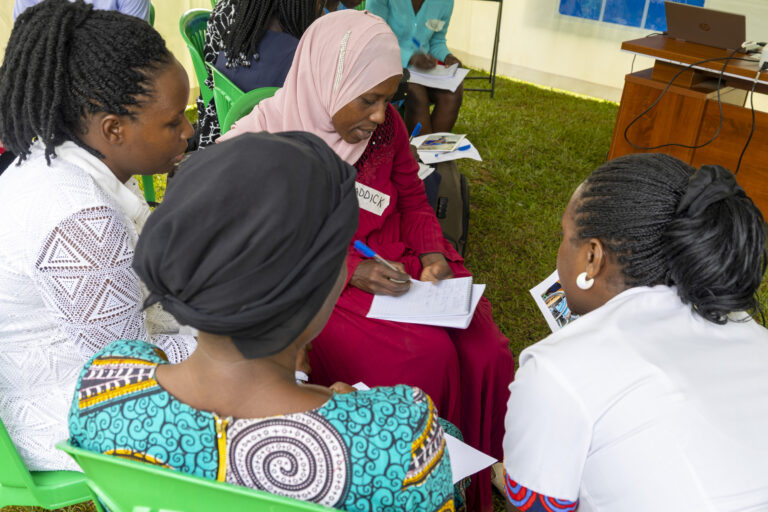
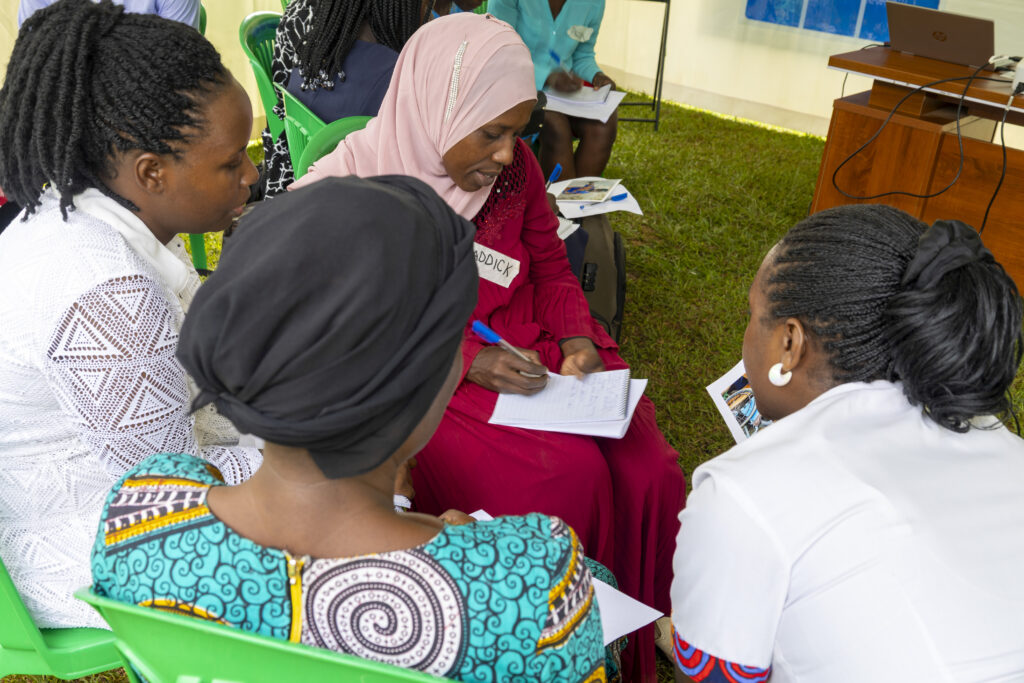
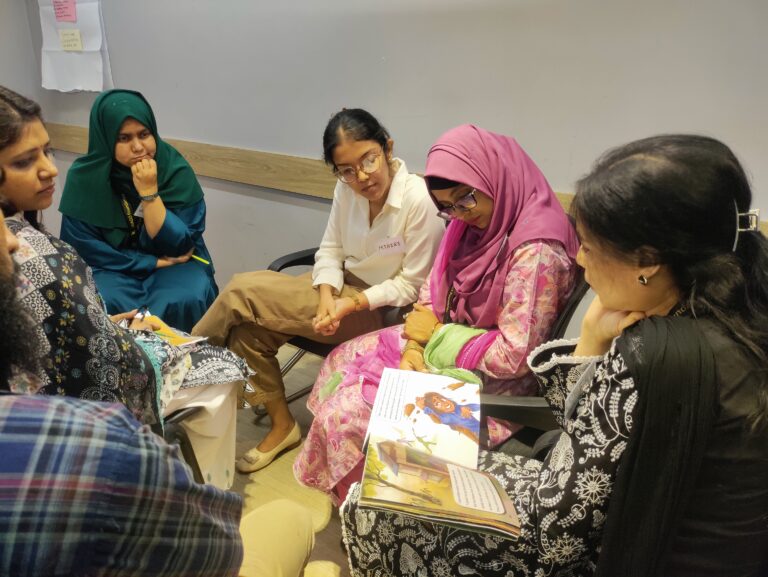
A Training of Trainers workshop was held in Pakwach, bringing together trainers, district education staff, and school leaders. The workshop built on the experience of the participants and led to the creation of a Community of Practice, so that teachers and trainers in both districts can continue to learn from each other.

Participants also helped to adapt the teacher training materials to better fit the Ugandan context.

“Our goal is that teachers learn how to recognise and remove barriers that exclude children with disabilities, so that every child can participate and enjoy equal rights.”

In Uganda, storybooks are widely used in early grades as part of the thematic curriculum. However, teachers, parents and community volunteers need guidance on how to use stories in different ways — for reading lessons, library time, class discussions, or role-play activities.
Although English is taught in school, local languages are used in daily teaching. In Pakwach this is Leb Jonam, and in Nebbi Alur, which means that stories often need to be told in the local language as well.

With strong cooperation between schools, communities and local partners, Stories for Inclusion Uganda has made a promising start toward more inclusive classrooms where every child belongs.

Down Syndrome day Down Syndrome day
To advocate for the rights, educational inclusion and well-being of learners with Down syndrome.
According to the World Health Organization, the estimated incidence of Down syndrome is approximately 1 in 1,000 live births worldwide. Down syndrome is a type of intellectual disability caused by the presence of extra genetic material on chromosome 21.

Down syndrome is often mistakenly perceived as a misfortune or a problem—something no parent would want. In reality, much of the discrimination faced by people with Down syndrome stems from outdated or inaccurate information about the condition.

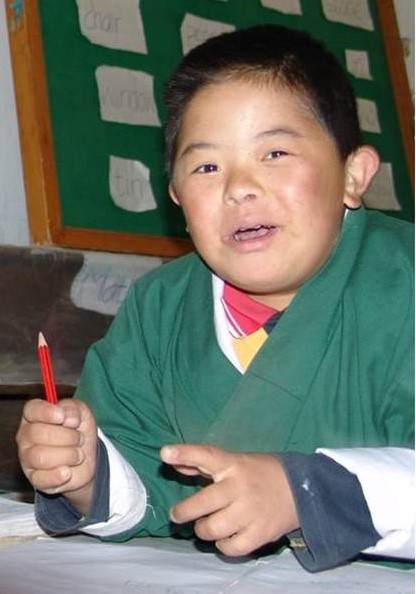
Most children with Down syndrome experience mild to moderate intellectual impairment. Many are fully capable of attending mainstream schools alongside their peers. Common cognitive and behavioural challenges can include a short attention span, impulsivity, poor judgment, slower learning, and delays in language and speech development.

Children with down syndrome benefit from “stories for inclusion”


Implementing this project in Ghana and Bangladesh has demonstrated the need for more teacher knowledge and skills on how to support children with disabilities – and children with Down syndrome especially – in an inclusive classroom. It has thus also shown the usefulness of the Teacher Training Module and the Teacher Reference Guide. Storybooks, still to be developed, may be about a character with Down syndrome or alternatively, future stories could be simplified especially for learners with an intellectual disability.

Storybooks about and for children with (different) disabilities play an important role in making difference ordinary. Some of the strategies that can be used with children with Down syndrome are the following:

  • Shared reading builds confidence for children with Down syndrome. Simple ways to encourage this include:
    • Reading the same books again and again; repetition supports understanding.
    • Pointing to words as they are read by an adult, shows how print carries meaning and the difference between print and pictures.
  • Introducing word reading:
    • Due to their relative strong visual strengths, children with Down syndrome learn best through a whole word approach in the early stages.
    • Selecting the correct word from a choice of two words or a small group of words.
    • Naming words aloud when shown.
  • Early word combinations to support language with strategies like:
    • Matching sentences to pictures.
    • Act out the sentence to help with understanding.
    • Building sentences using word cards.
  • The importance of using print – clear and bold
    • Use large, clear words on cards and sentence strips.
    • Keep print consistent so children see the same words in the same format.
    • Use print as a prompt for talking, not just reacting.

Keep in mind, every child is different, also when having the same disability. Every child thus works at his or her own pace (but lots of repetition and consolidation helps).

International Mother Language Day
International Mother Language Day is observed annually on 21 February to promote linguistic diversity, multilingual education and inclusion. It has its roots in the language movement in Bangladesh.
On 21 February 1952, police fired at protesters in Dhaka, East Pakistan (now Bangladesh). Students and activists wanted Bengali to be recognized as a national language. Many sacrificed their lives for language rights, which led to the recognition of International Mother Language Day being celebrated on 21 February.

Mother Language Day highlights that 40% of the global population lacks access to education in their mother tongue, which seriously impacts learning.
This day encourages reading and using local languages to support equitable and inclusive education for all. Studies show that children taught in their mother language are 30% more likely to read with understanding by the end of primary school.

Overcoming Misconceptions
Mother tongue education is sometimes met with scepticism due to the misconception that it is not “aspirational” enough.
However, when children learn in their local language, they navigate knowledge with confidence—concepts become clearer, ideas flow freely, and the joy of discovery grows.

Studies continue to show that children learn better when they can associate new concepts with familiar words and phrases from their home language.
They tend to perform better academically, demonstrating deeper understanding and stronger comprehension skills compared to peers who begin education in a second language.

Evidence from African Countries
Countries like Ghana and Uganda have strong language policies supporting mother language instruction in early grades.
Learning to read in one’s mother tongue helps reduce dropout rates and makes education more engaging, meaningful, and enjoyable.
If reading fundamentals are taught in local languages, these skills can later transfer to a second language.

In communities in Ghana where reading was taught in the mother tongue, English reading comprehension increased significantly—from only 7% to 27%.

Language diversity is cultural diversity and should be acknowledged and celebrated.
Storybooks for young children must therefore be developed or translated into local languages.

Local publishers such as Pangea Publishing House in Uganda have developed 160 titles, many in the 12 officially recognised local languages used as languages of instruction in lower primary school.

In this way, “Stories for Inclusion” promotes disability inclusion and improves early grade literacy, helping children develop a passion for reading.

Runa story Runa story
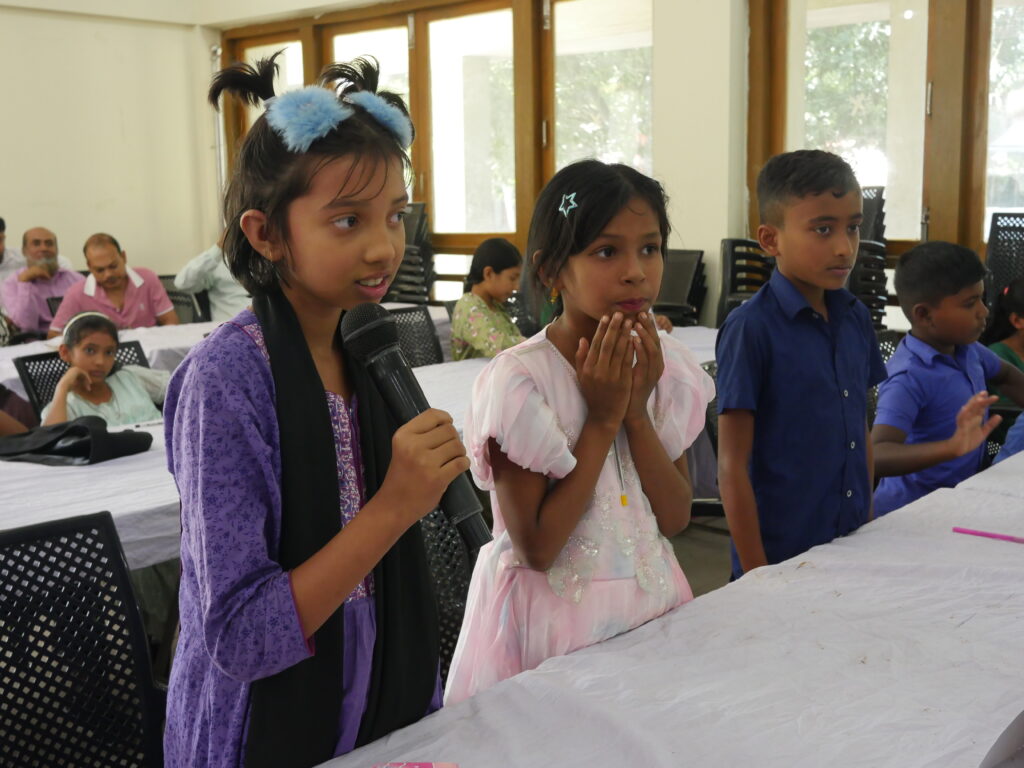
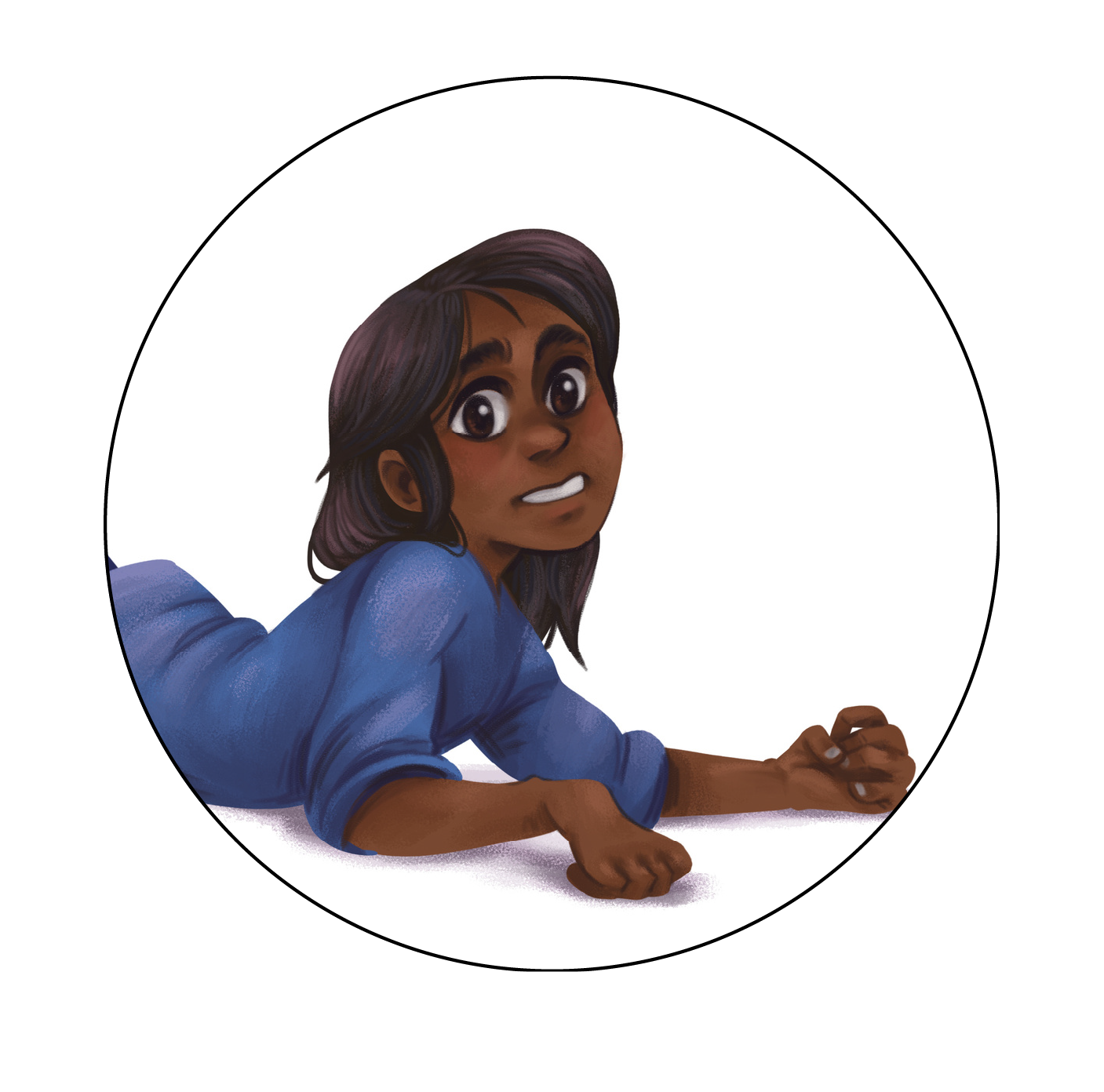
My name is Sultana Akter. I am 12 years old and live in the village of Taluknagor. A volunteer from DRRA visited our village several Fridays and told us about Runa. The story “My Name is Runa” touched me deeply.

Together, we turned the story into a play, in which I take on the role of Runa. When the other children in the play call me foolish, I truly feel the pain Runa must have experienced. That is what makes it so powerful for me.

I also shared the story and the book with my classmates. They were just as moved as I was. My classmates promised they would never wrong children with disabilities, but instead support them. I am proud to have changed their perspective on people with disabilities.

In the future, I would like to work with people with disabilities. I am grateful to those who showed us and our community that children with disabilities are no different from us.

In the Asian Journal of Inclusive Education Volume 13, No 1, December 2025 a Practitioner Paper was published, written by Els Heijnen-Maathuis and Antoinette Termoshuizen.

The project uses disability-inclusive children’s literature to challenge stigma and shift attitudes in schools and communities. Drawing on both educational theory and real-world practice, the paper shows how inclusive storytelling can be a powerful tool for learning and social change.

By portraying children with disabilities as active, capable protagonists, these stories challenge deficit-based narratives and foster empathy, respect, and a sense of belonging from an early age.

Read the full paper here.

Quiz Quiz

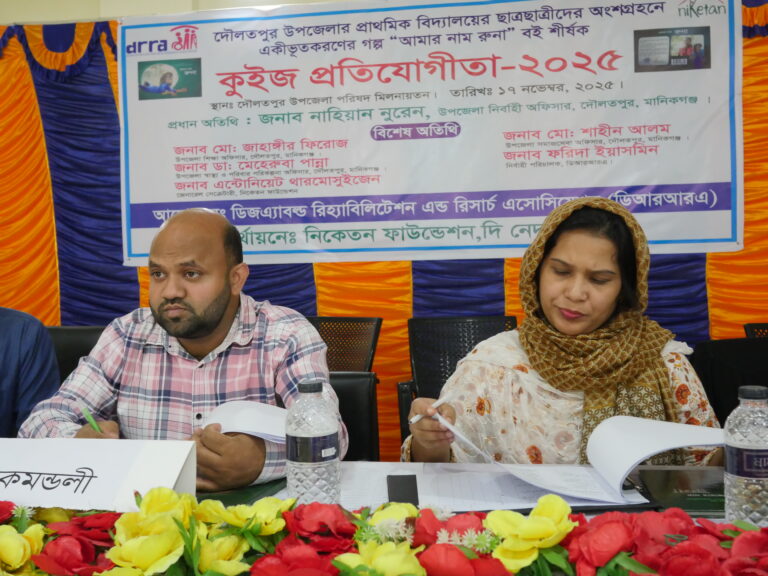
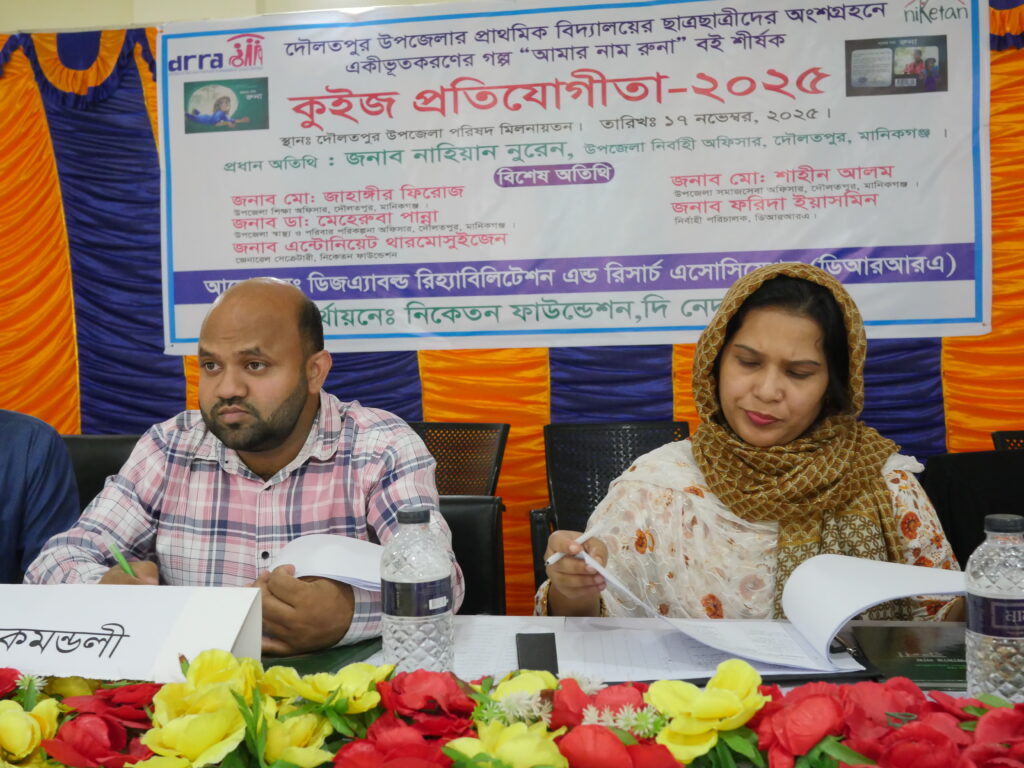
Quiz Competition 2025 on My Name is Runa Book

By: Nizam Uddin - Project Manager NGO DRRA
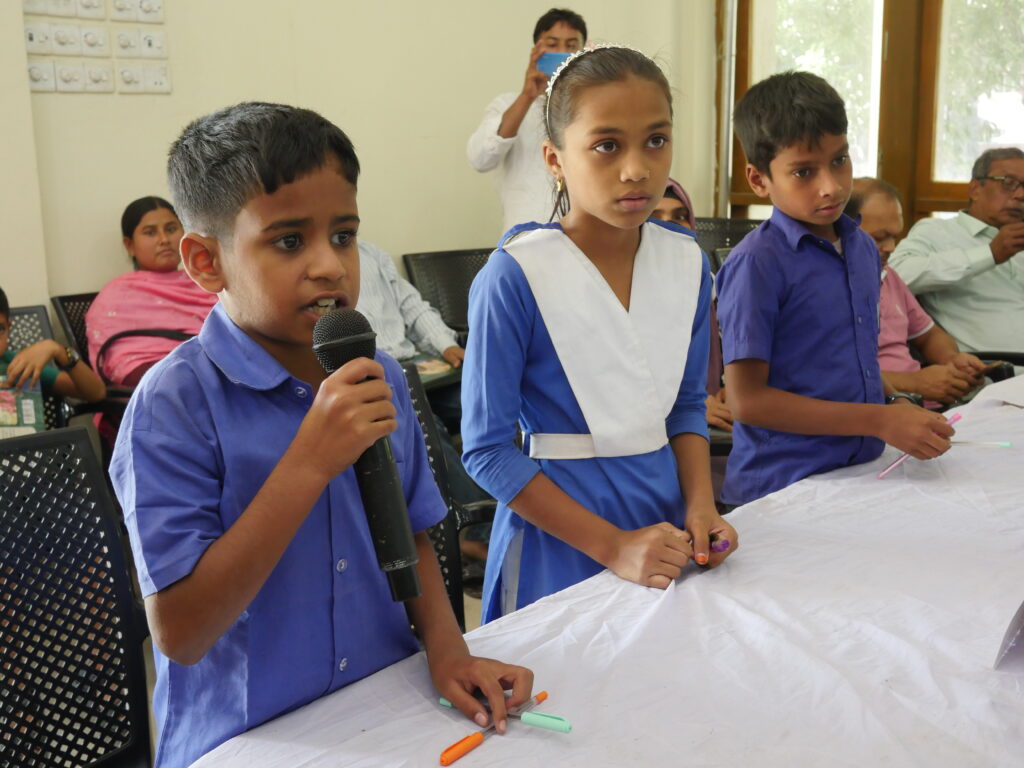
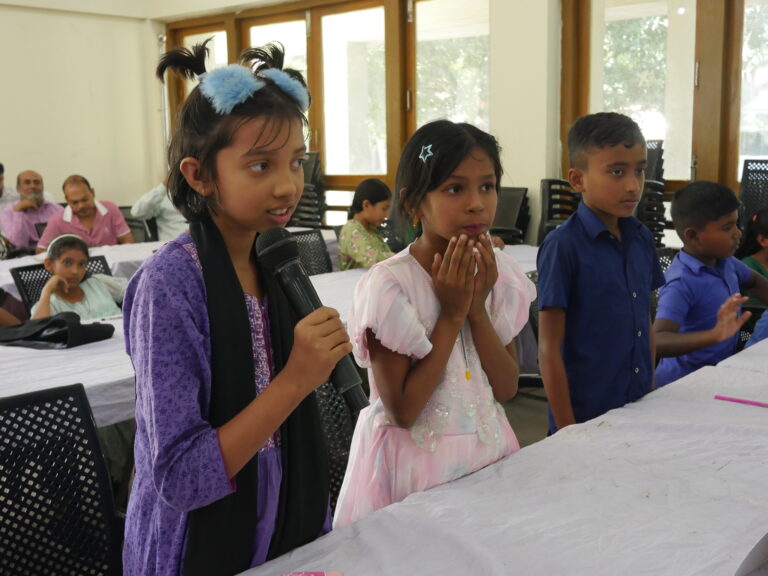
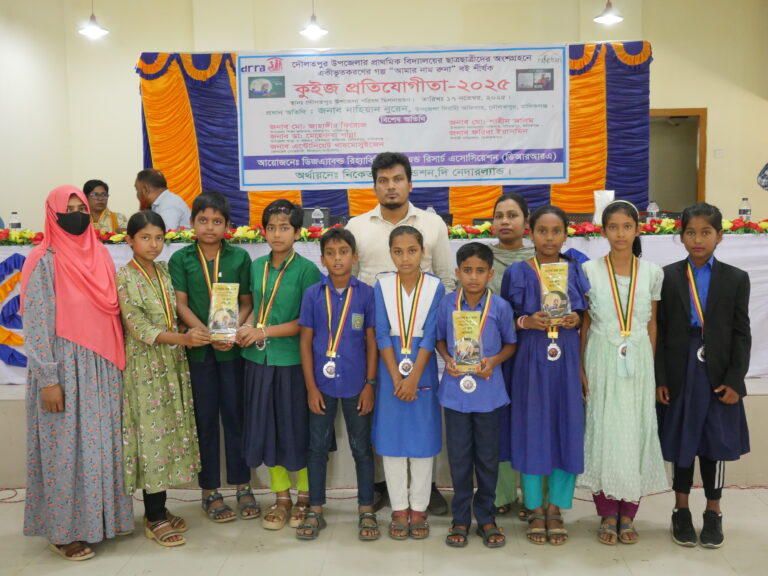
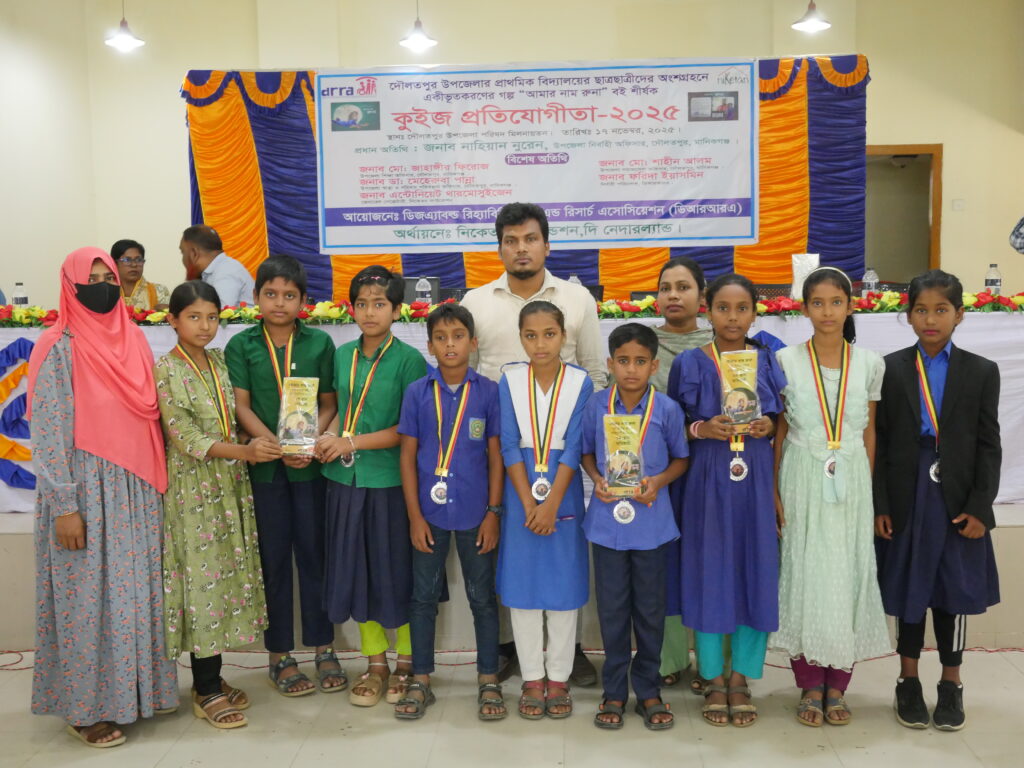
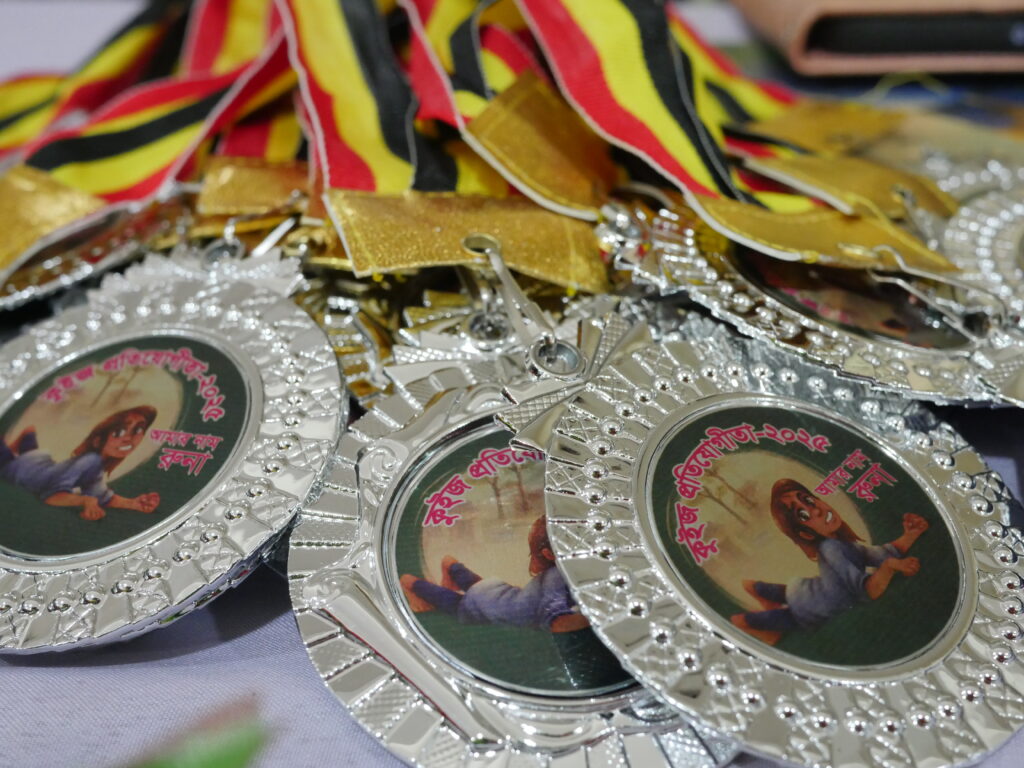
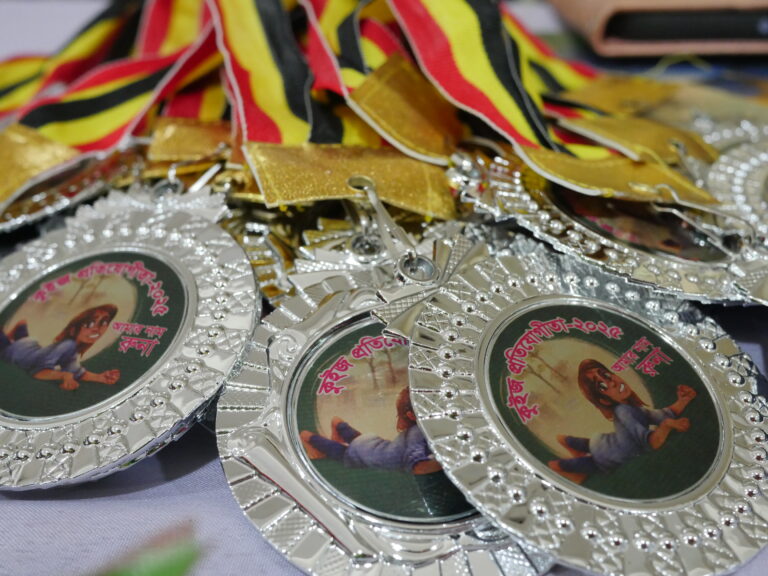
On 17 November 2025, DRRA, with financial support from Niketan Foundation, organized a quiz competition on the book My Name is Runa. The event aimed to raise awareness about disability, particularly cerebral palsy, and promote inclusive education among primary school students.

The competition brought together 60 participants from 20 government primary schools of Doulatpur Upazilla. Each school was represented by three students who answered three questions related to the book. Additionally, 20 teachers, one from each participating school, participated as “Disability Champions” assisting the students.

quiz quiz
Inauguration and Attendance
The quiz competition was inaugurated and presided over by Nahean Noor, Upazilla Nirbahi Officer (UNO), who also participated in the prize distribution session. Other dignitaries present included:

  • Md. Zahangir Firoz, Upazilla Education Officer
  • Md. Shahin Alam, Upazilla Social Service Officer, Doulatpur
  • Antoinette Termoshuizen, General Secretary, Niketan Foundation
  • DRRA official staff

The presence of these officials highlighted the importance of inclusive education and community engagement in disability awareness.

quiz quiz
Objectives of the Quiz Competition
The main objectives of the event were:

  1. To enhance children’s reading habits and comprehension skills through interactive learning.
  2. To encourage students to understand the key messages of My Name is Runa, particularly inclusion, self-confidence, and respect for persons with disabilities.
  3. To develop students’ critical thinking, listening, and teamwork abilities through a fun and educational competition.
  4. To promote awareness among young learners about diversity, empathy, and acceptance of differences in society.
  5. To strengthen engagement between DRRA, schools, and the local community in promoting inclusive education.

quiz quiz
Results
At the conclusion of the competition, the following schools secured top positions:

Sl. No Name of School Position Score
01. 28 No Bachamara Government Primary School 1st 30
02. 97 No Vorra Government Primary School 2nd 28
03. 47 No Parmastul Government Primary School 3rd 26

quiz quiz
Recommendations and Future Plans

  • Extend the quiz competition to all schools in Doulatpur Upazilla to increase awareness and student engagement.
  • Continue distributing My Name is Runa books to more students as part of inclusive education initiatives.
  • Encourage schools to appoint more teachers as Disability Champions to sustain learning on disability awareness.
  • Plan inter-Upazilla competitions to further motivate students and enhance peer-to-peer learning.

The “My Name is Runa” Reading Initiative in Ghior and Daulatpur
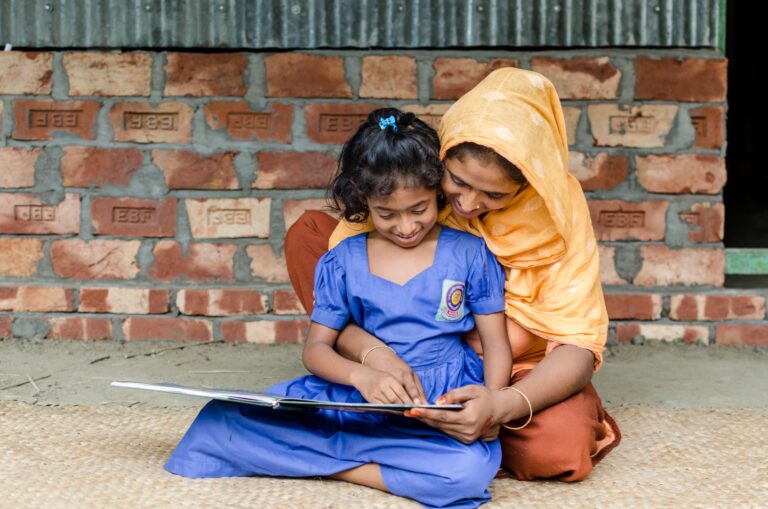
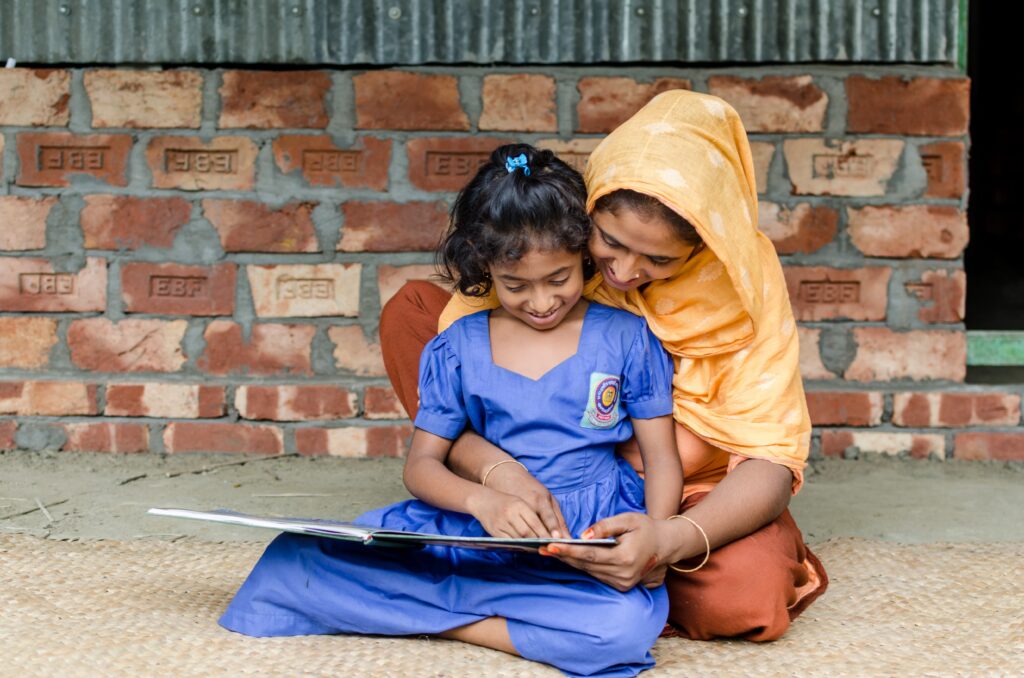
The story of Runa is now being shared with children in several villages in Ghior and Daulatpur. Every Friday, fifteen enthusiastic volunteers visit children in their own or neighboring villages to read aloud from the book “My Name is Runa.”

Many of these children do not have storybooks at home and rarely have the chance to put themselves in someone else’s shoes. Runa’s story shows them that children with and without disabilities share the same fears, dreams, and emotions.

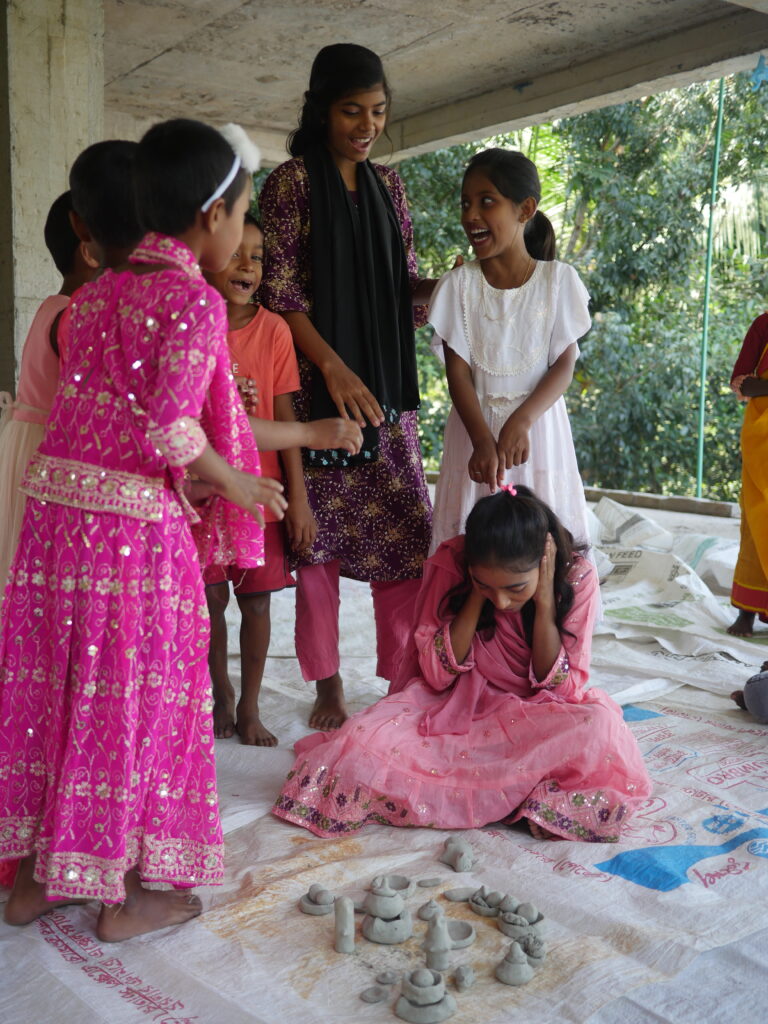
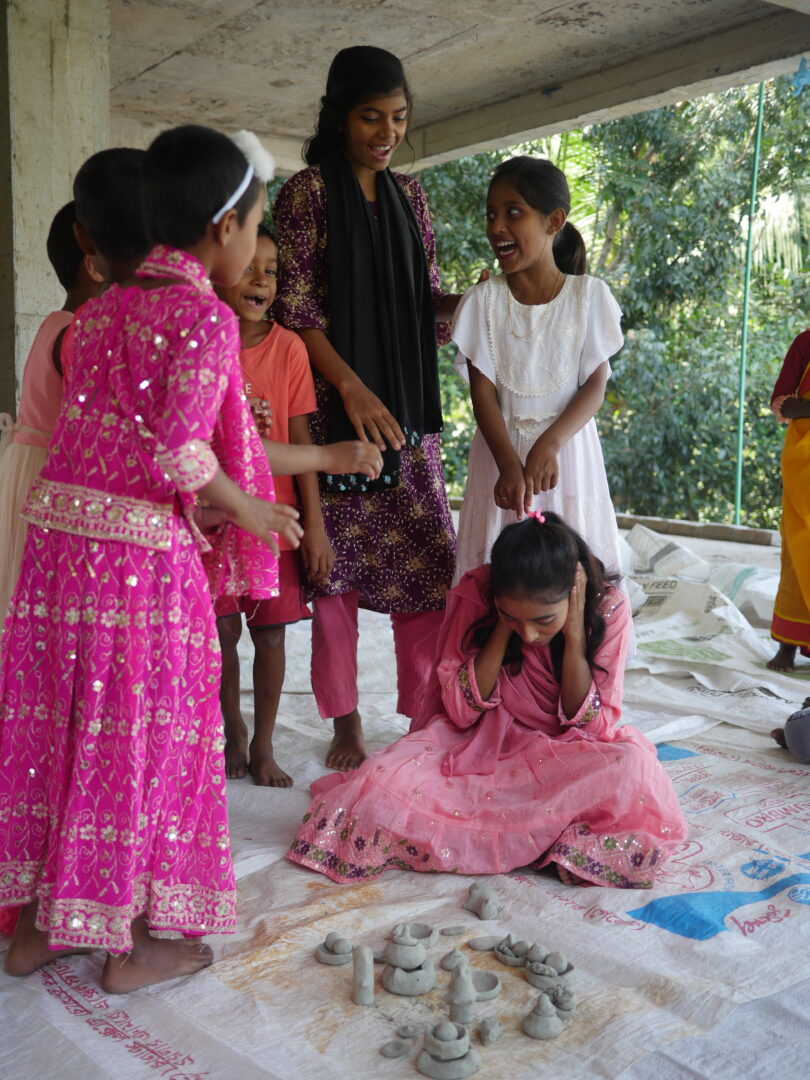
Reading together is just the beginning—there is also plenty of fun and interaction. Children act out the story, sing, dance, and enjoy the experience together. Parents, neighbors, and other villagers also listen in, becoming more aware of the impact of bullying on children.

Through this activity, both children and adults learn about empathy, understanding, and inclusion in a playful and accessible way.