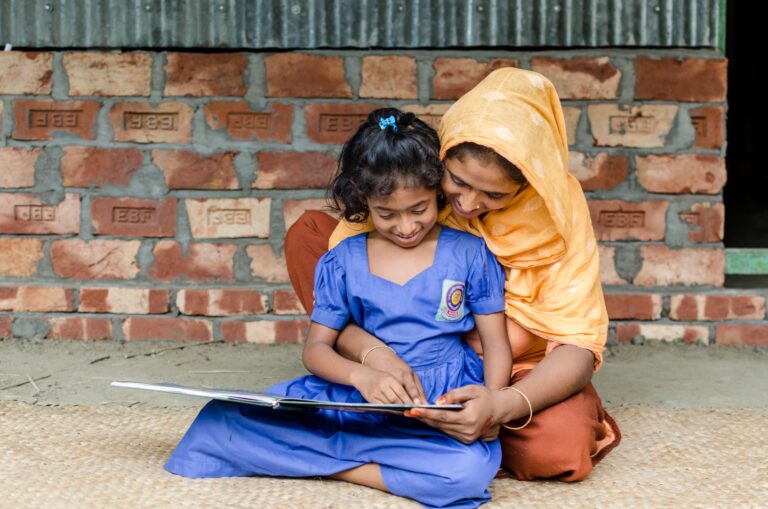
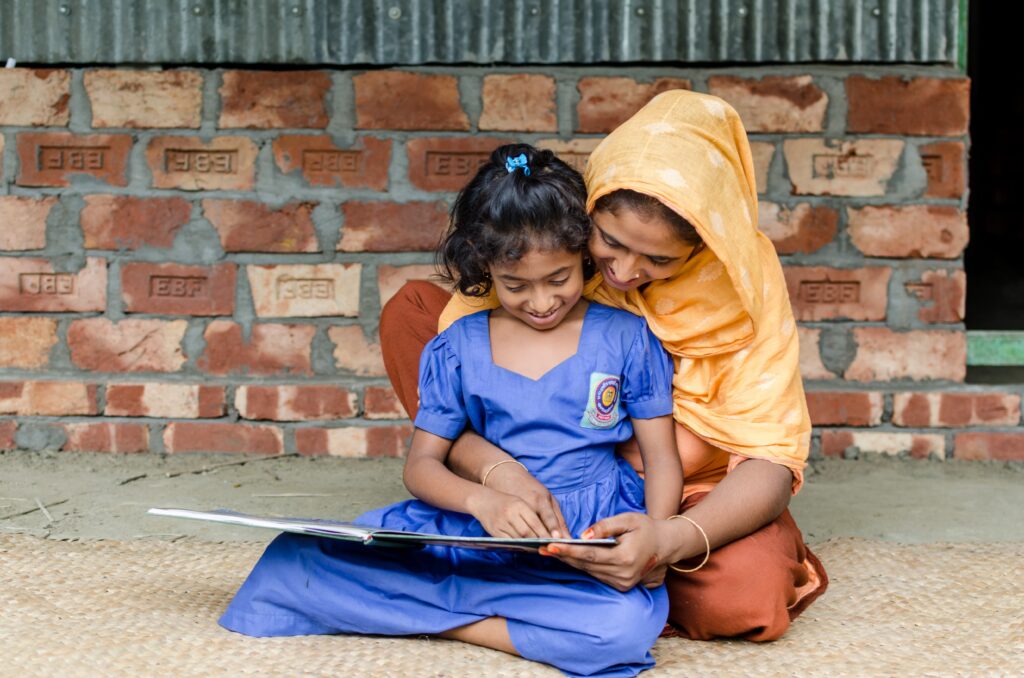
Mother Language Day highlights that 40% of the global population lacks access to education in their mother tongue, which seriously impacts learning.
This day encourages reading and using local languages to support equitable and inclusive education for all. Studies show that children taught in their mother language are 30% more likely to read with understanding by the end of primary school.
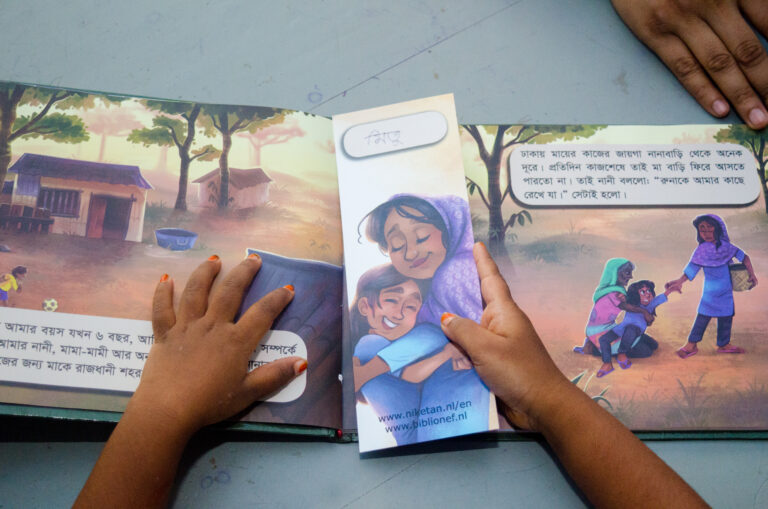
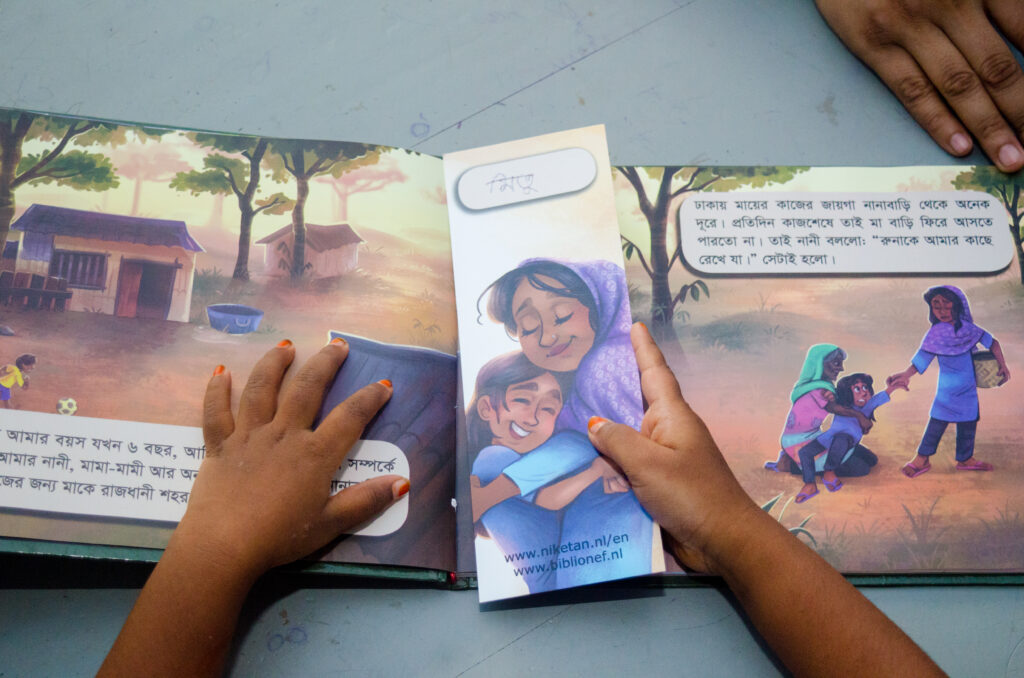
Studies continue to show that children learn better when they can associate new concepts with familiar words and phrases from their home language.
They tend to perform better academically, demonstrating deeper understanding and stronger comprehension skills compared to peers who begin education in a second language.
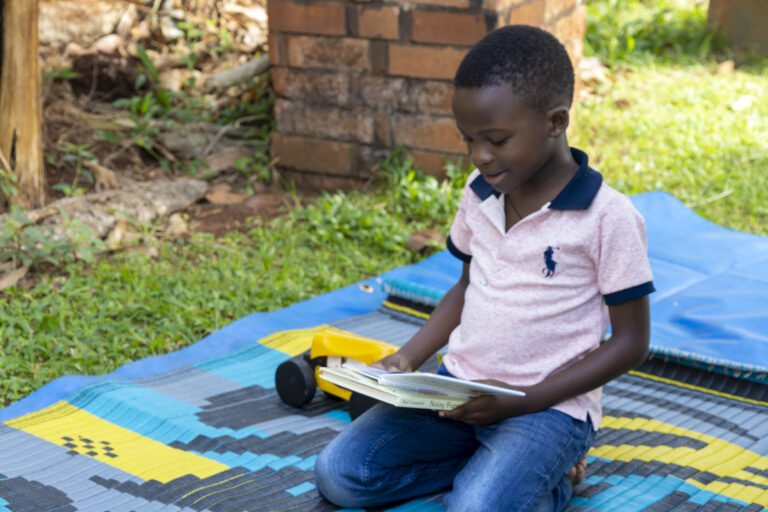
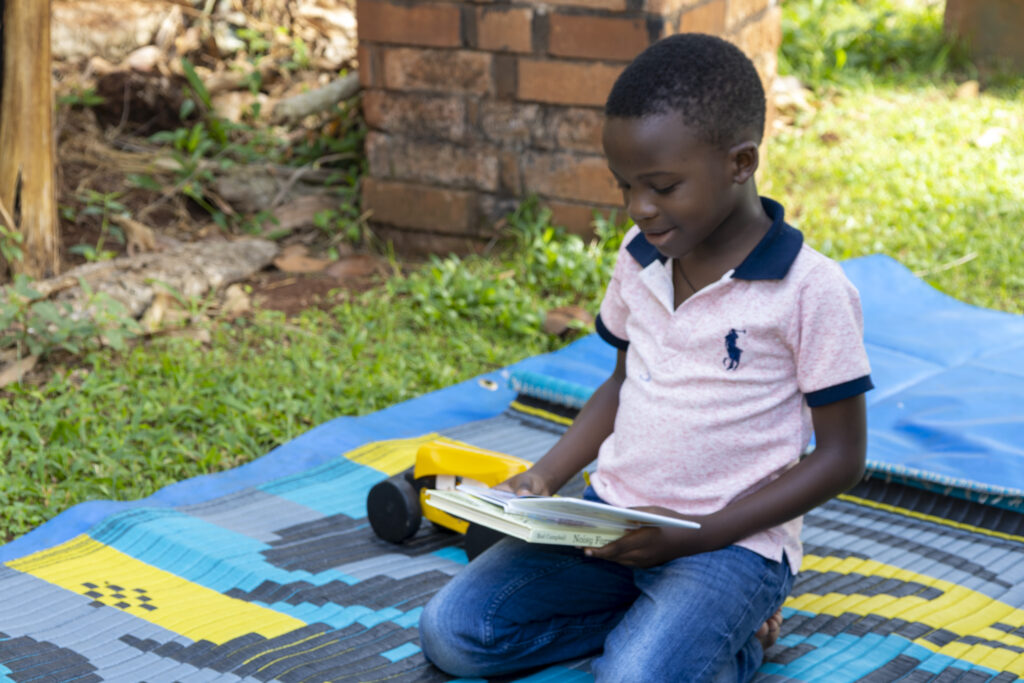
In communities in Ghana where reading was taught in the mother tongue, English reading comprehension increased significantly—from only 7% to 27%.
Language diversity is cultural diversity and should be acknowledged and celebrated.
Storybooks for young children must therefore be developed or translated into local languages.
Local publishers such as Pangea Publishing House in Uganda have developed 160 titles, many in the 12 officially recognised local languages used as languages of instruction in lower primary school.
In this way, “Stories for Inclusion” promotes disability inclusion and improves early grade literacy, helping children develop a passion for reading.
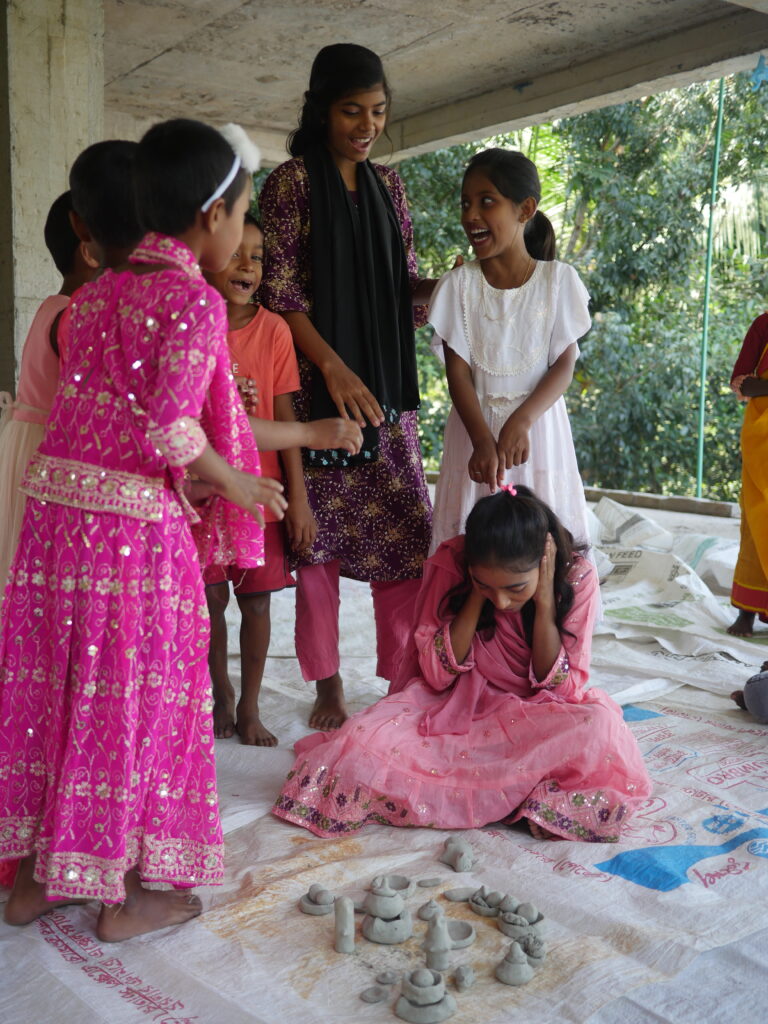
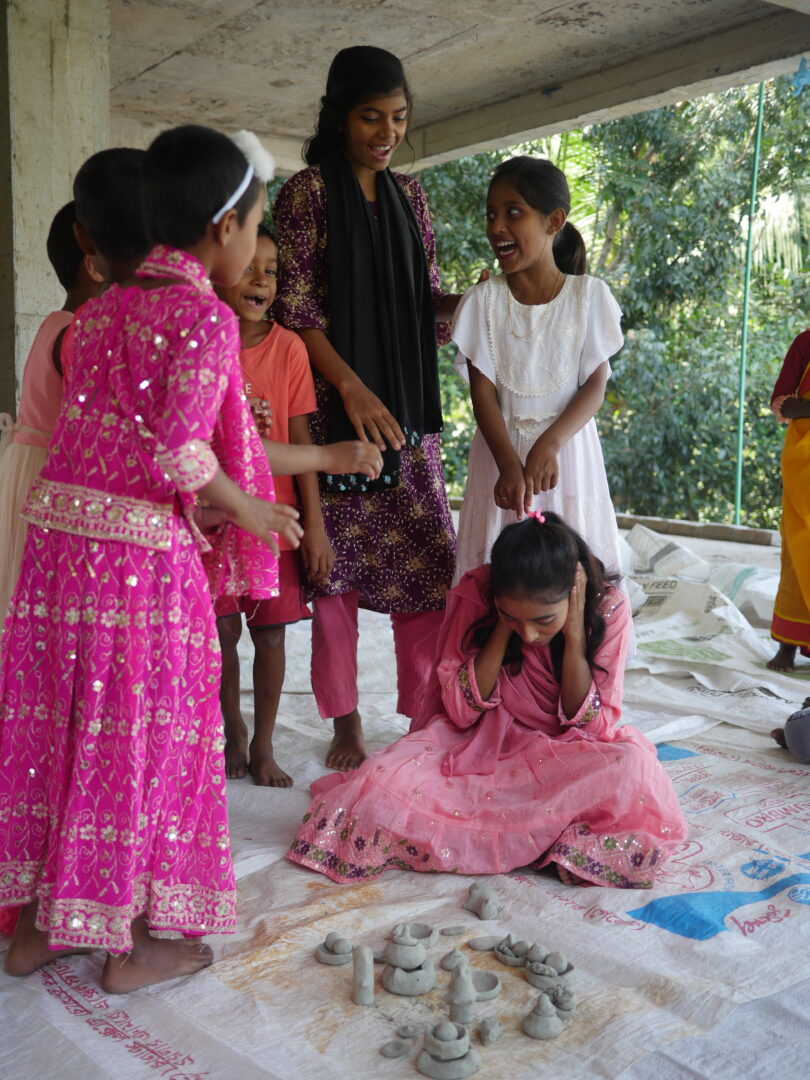
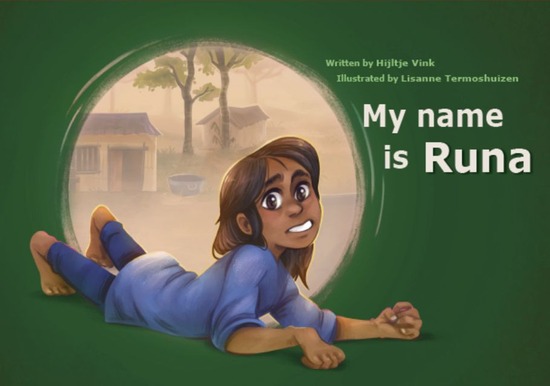
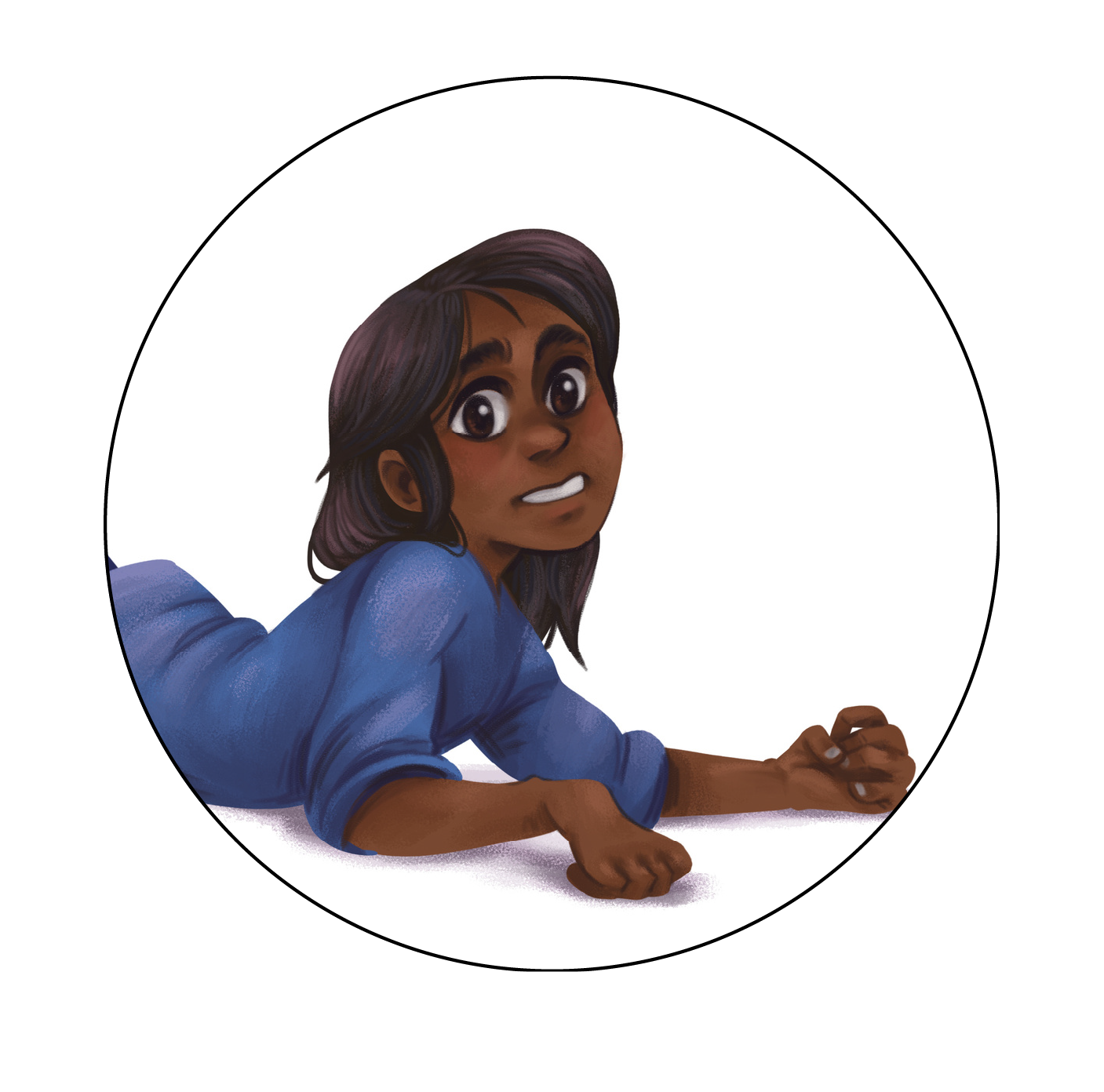
Many of these children do not have storybooks at home and rarely have the chance to put themselves in someone else’s shoes. Runa’s story shows them that children with and without disabilities share the same fears, dreams, and emotions.
Reading together is just the beginning—there is also plenty of fun and interaction. Children act out the story, sing, dance, and enjoy the experience together. Parents, neighbors, and other villagers also listen in, becoming more aware of the impact of bullying on children.
Through this activity, both children and adults learn about empathy, understanding, and inclusion in a playful and accessible way.